
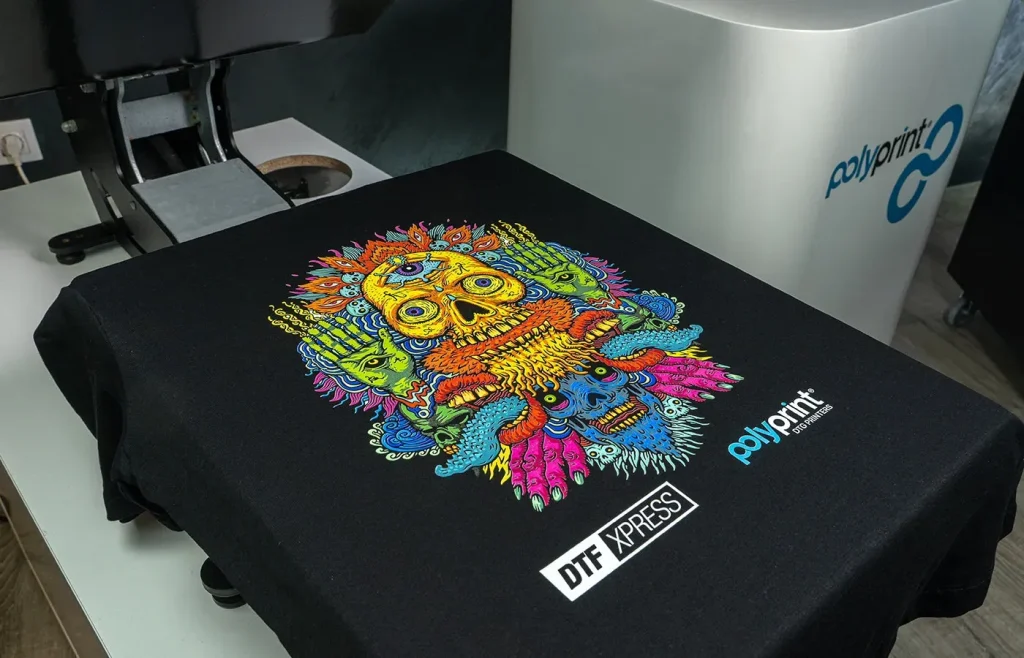
DTF printing, or Direct-to-Film printing, is revolutionizing the way designs are transferred onto fabrics, particularly in the apparel industry. As demand for efficient and sustainable printing solutions grows, DTF technology emerges as a formidable alternative to traditional techniques such as screen printing and direct-to-garment printing. With its ability to produce high-quality printing that showcases vibrant colors and intricate details, DTF has quickly become a go-to method for many manufacturers. This innovative process not only enhances the creative possibilities for designers but also aligns with the industry’s increasing focus on sustainable printing practices. In this article, we will explore the ins and outs of DTF printing, including its benefits and comparisons to other methods like sublimation.
Exploring the world of Direct-to-Film technologies reveals a transformative approach to fabric printing that is gaining traction amid rising demands for eco-friendly solutions. Often referred to simply as DTF, this method enables the transfer of designs directly onto film before applying them to a wide range of textiles, making it not only versatile but also efficient. By understanding how this modern printing technique compares with methods such as sublimation and its implications for sustainable printing, we can appreciate the innovations breaching the boundaries of traditional garment decoration. This exploration highlights the ongoing shifts within the printing sector, promising a future that caters to both high-quality results and environmental consciousness.
The Rise of DTF Printing in Sustainable Fashion
DTF printing is quickly establishing itself as a leader in innovative and sustainable fashion. As consumers become more aware of the environmental impacts of clothing production, there is a growing demand for printing technologies that minimize waste and carbon footprints. DTF technology employs a unique process that utilizes fewer resources, making it a perfect alternative for eco-conscious brands. The strategic use of heat and pressure to transfer designs not only reduces material waste but also limits the harmful chemicals typically associated with conventional printing processes.
Furthermore, brands that adopt DTF printing benefit from enhanced brand loyalty due to their commitment to sustainability. As businesses embrace practices that align with consumer values, they resonate better with audiences increasingly looking for ethical production methods. The bright, high-quality prints that DTF produces also help brands communicate their message effectively, showcasing visually striking designs on a variety of materials without compromising environmental integrity.
Understanding DTF Technology: How It Works
At its core, DTF printing uses a specialized transfer film to cure vibrant designs onto textiles. This innovative method begins with printing the desired design onto a film using specialized DTF inks, followed by a coating of adhesive powder. The design is then heat pressed onto the fabric, allowing the adhesive to bond effectively. This process results in high-quality printing that not only maintains color vibrancy but is also incredibly durable across various washing cycles.
The versatility of DTF technology is a major advantage. It allows for printing on numerous fabric types, including cotton and polyester, without the limitations faced by other methods like sublimation, which is restricted to polyester substrates. This flexibility means DTF can cater to a wide array of products—ranging from custom apparel to promotional items—making it an essential tool for brands looking to diversify their offerings.
DTF vs. Sublimation: A Comparative Analysis
When comparing DTF and sublimation printing, it’s essential to understand their distinct advantages and limitations. Sublimation printing is known for producing exceptionally vibrant prints that are long-lasting, but it is primarily suitable for polyester and polymer-coated surfaces. In contrast, DTF printing embraces a broader spectrum of fabric materials, which allows it to adapt to various consumer needs without sacrificing quality.
The main strength of DTF prints lies in their impressive color payoff and intricate detail, high-quality features that may entice brands looking for standout marketing materials. Businesses can leverage the flexibility of DTF to produce customized products that cater to different clientele, thus widening their market appeal. This adaptability is crucial in an ever-evolving fashion industry, where trends continuously shift and customer preferences change.
The Versatile Applicability of DTF Printing
DTF printing’s versatility makes it a preferred choice for a wide range of applications, from casual wear to promotional merchandise. Brands can utilize DTF technology to produce everything from trendy t-shirts to personalized gifts, ensuring that every print aligns with customer desires. This adaptability is particularly beneficial for small businesses and craft enthusiasts who may not have the resources to invest in multiple printing technologies.
In addition, DTF printing allows for a greater level of personalization, meeting the growing consumer preference for unique, individual products. This approach not only enhances customer engagement but also fosters a sense of ownership over the items they purchase. As the demand for custom apparel continues to rise, DTF stands out as a practical solution that caters to both personal and promotional printing needs.
Future Prospects of DTF Printing Technology
The future of DTF printing looks promising as technology continues to advance and the demand for sustainable solutions grows. Innovations in ink formulation and substrate compatibility are on the horizon, with manufacturers seeking to enhance print quality and durability. As these developments unfold, the DTF printing process is likely to become even more efficient and accessible to creators and entrepreneurs alike.
Moreover, as industries shift towards eco-friendly practices, DTF printing is poised to gain an even stronger foothold in the market. Its commitment to sustainability combined with its ability to produce high-quality prints positions DTF technology as a frontrunner in the transition towards responsible production methods. Brands embracing this technology will be better equipped to meet consumer demands for transparency and eco-consciousness.
Engaging with the DTF Community: Knowledge and Innovation
Engaging with the DTF printing community can significantly enhance understanding and innovation in this field. As evidenced by events like the upcoming ‘Discovering DTF’ webinar, these gatherings provide valuable insights, product demonstrations, and discussions that stimulate growth and learning among printing professionals and enthusiasts. Networking opportunities within the community also allow users to share best practices and advance their skills in DTF technology.
Such initiatives can drive forward-thinking ideas and practices among participants, which ultimately benefits the industry by fostering a culture of collaboration and innovation. By participating in community engagements, individuals and businesses can stay ahead of trends and adapt their practices accordingly, ensuring that they continue to meet the changing demands of the market while embracing sustainable printing methods.
Frequently Asked Questions
What is DTF printing and how does it work?
DTF printing, or Direct-to-Film printing, is a technique that transfers designs onto fabrics using a film. The process involves printing a design onto a special film, applying an adhesive powder, and then heat pressing it onto the desired fabric. This method allows for vibrant and high-quality prints on a variety of materials, making it a popular choice in the apparel industry.
What are the sustainability benefits of DTF printing?
DTF printing is regarded as a sustainable printing method because it utilizes fewer resources and generates less waste compared to traditional techniques like screen printing. By reducing environmental impact and promoting eco-friendly practices, DTF technology is becoming an essential solution for manufacturers focused on sustainability in their production processes.
How do DTF prints compare to sublimation prints?
When comparing DTF printing and sublimation printing, DTF has the advantage of being versatile as it works on various fabric types, including cotton and blends, while sublimation is primarily limited to polyester or polymer-coated substrates. DTF prints maintain high-quality vibrancy and detail, making them suitable for a wider range of applications.
What types of fabrics can be printed using DTF technology?
DTF technology can print on a diverse array of fabrics, including cotton, polyester, and various blends. This versatility allows DTF printing to cater to a wide range of products, from custom t-shirts to promotional items, making it an ideal choice for small businesses and hobbyists alike.
Why is DTF printing becoming more accessible for small businesses?
The rise of innovative printers like the LOKLiK iPrinter has made high-quality DTF printing more accessible to small businesses and DIY enthusiasts. These advancements enable individuals to produce professional-grade apparel without a significant investment in expensive equipment, democratizing the printing process and encouraging creativity.
What future advancements can we expect in DTF printing technology?
The future of DTF printing technology looks promising, with ongoing efforts to refine the inks and substrates used for optimal results. As sustainability continues to be a priority across industries, DTF printing is expected to gain popularity as an eco-conscious alternative, aligning with manufacturers’ goals for more sustainable production practices.
| Key Points | Description |
|---|---|
| What is DTF Printing? | A printing method that transfers designs using a special film, applying heat and pressure for a final print on fabrics. |
| Advantages of DTF Printing | – Sustainability: Reduces waste and resource usage in garment production. – High-Quality Prints: Delivers vivid colors and detailed designs. – Versatility: Works on various materials, including cotton and polyester. – Accessibility: Innovations like the LOKLiK iPrinter make it affordable for hobbyists. |
| DTF vs. Other Printing Technologies | DTF printing allows for printing on multiple fabric types, offering broader application compared to sublimation, which is limited to polyester. |
| Industry Engagement | Webinars and events like PacPrint 2025 are enhancing knowledge and innovation within the DTF community. |
| The Future of DTF Printing | As technology evolves, DTF printing’s appeal as an eco-conscious choice is expected to increase, addressing current limitations. |
Summary
DTF printing is revolutionizing the apparel industry by providing sustainable and efficient printing solutions. As a method that utilizes a unique film transfer process, it significantly reduces material waste and resource consumption compared to traditional techniques. With vibrant, high-quality prints on a wide range of fabrics, DTF printing caters to both established brands and new ventures, including small businesses and DIY enthusiasts. As organizations promote learning and innovation around this technology, its role in creating a more eco-friendly future is becoming increasingly vital. Embracing DTF printing could be the gateway to a sustainable and creative imprint on the apparel landscape.