
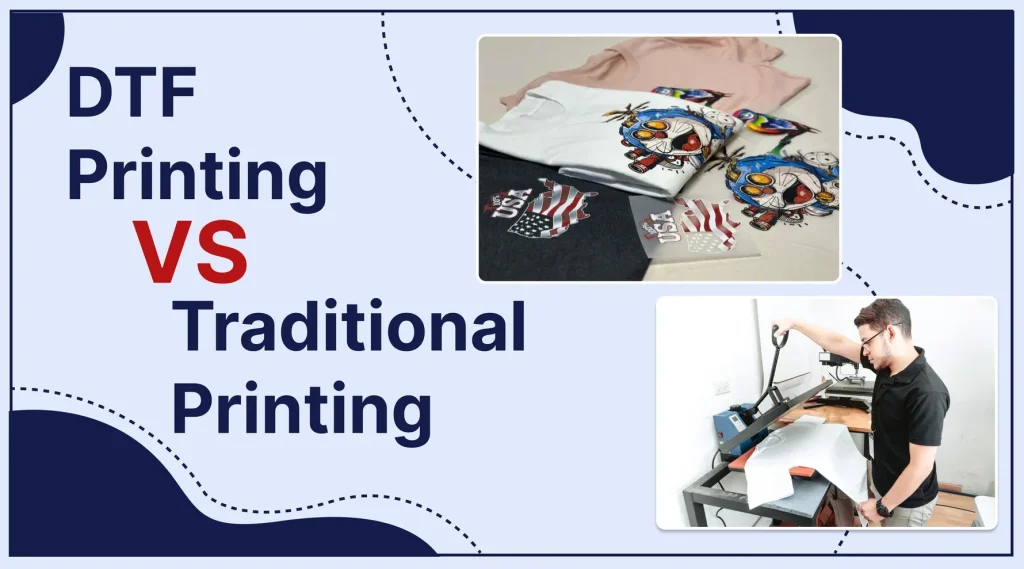
In the ever-evolving landscape of printing technologies, the debate of DTF vs Traditional Printing is heating up as businesses and consumers seek the best solutions for their needs. Direct-to-Film printing, or DTF, offers a modern approach that promises higher efficiency and print quality compared to traditional printing methods, such as screen printing and direct-to-garment (DTG) techniques. As the demand for more versatile and cost-effective printing capabilities increases, understanding the differences and advantages of these methods is crucial for anyone involved in the printing industry. This blog post will delve into the intricacies of DTF printing versus its traditional counterparts, providing insights on their capabilities, cost-effectiveness, and the quality of output. Stay tuned as we explore which method may ultimately reign supreme in the competitive world of custom printing.
As we compare DTF printing and conventional printing techniques, it’s important to recognize the rapid advancements in the realm of textile printing. While traditional approaches like screen printing and direct-to-garment printing have long been staples in the industry, recent developments have paved the way for innovative methods that challenge the status quo. This discussion acknowledges the nuances between these printing solutions, shedding light on how modern techniques such as Direct-to-Film can revolutionize the way designs are transferred to fabric. By evaluating performance metrics including print quality, production speed, and durability, we can better understand the landscape of printing and its impact on businesses and consumers alike.
Understanding DTF Printing Benefits
DTF printing offers a range of advantages that make it an attractive option for businesses and individuals alike. One of the primary benefits of DTF is its remarkable ability to reproduce vibrant colors and intricate details. By utilizing specialized transfer films and eco-friendly, water-based inks, DTF printing creates output that is not only visually stunning but also sustainable. The technique allows for excellent color matching, ensuring that even the most complex designs maintain their integrity during the printing process. As a result, businesses can produce high-quality prints that cater to diverse customer needs without compromising on aesthetics.
In addition to exceptional print quality, DTF printing is incredibly versatile when it comes to fabric compatibility. Unlike traditional printing methods that may struggle with various materials, DTF can easily adhere to cotton, polyester, and blended fabrics. This flexibility opens the door for businesses to expand their product offerings, catering to different textile types and broadening their market appeal. The ease of use and efficiency in production processes means that even small businesses can thrive in the custom apparel market without the significant investment typically associated with traditional printing methods.
Cost Analysis: DTF vs Traditional Printing
When comparing the cost efficiency of DTF printing to traditional methods such as screen printing, it’s clear that DTF often wins in terms of initial investment. Setting up screen printing operations involves substantial costs for equipment and materials, particularly if the goal is to produce high volumes. In contrast, DTF printers are relatively affordable, making them a preferred choice for startups and small businesses eager to enter the custom printing arena. The lower barrier to entry allows these entrepreneurs to invest more in marketing and product development rather than merely setup costs.
Furthermore, DTF’s cost efficiency extends beyond initial investments. Production speeds are significantly faster compared to traditional screen printing methods that require extensive setup before a single print can be made. For businesses that produce smaller order quantities or custom one-off designs, DTF printing proves to be a practical solution. They can fulfill orders quickly without being burdened by high minimum order quantities, making it easier to respond to consumer trends and demands, ultimately maximizing profits.
Print Quality: DTF vs Screen Printing
One of the most critical factors businesses consider when choosing a printing method is print quality. DTF printing delivers exceptional results, often rivaling the quality achieved by traditional methods like screen printing and direct-to-garment printing. The ability of DTF to utilize advanced ink formulations allows for high-resolution images with vibrant colors, sharp details, and smooth gradients. As consumers increasingly seek quality in custom apparel, DTF’s innovation positions it as a leading choice within the industry.
The debate does not stop at visual fidelity; durability plays a crucial role in print quality as well. DTF prints have shown impressive wash and fade resistance, which is essential for consumers and businesses alike. Ensuring that prints remain intact after numerous washes can enhance customer satisfaction and loyalty. By opting for DTF printing, businesses can confidently offer products that not only look great but also withstand the test of time, providing excellent value for both parties.
Sustainability in Printing: DTF’s Eco-Friendly Edge
In today’s environmentally conscious market, sustainability is a significant factor influencing consumer decisions. DTF printing has emerged as a frontrunner in this aspect, primarily due to its use of eco-friendly, water-based inks. Unlike traditional screen printing, which typically relies on harmful plastisol inks, DTF printing prioritizes sustainability in its production process. This commitment resonates with a growing demographic that values eco-friendly practices, providing businesses with an opportunity to align their brand with these essential values and appeal to environmentally aware consumers.
Furthermore, DTF printing generates less waste compared to traditional methods. The precision of ink application means that there is minimal over-spray and excess ink used in the process, resulting in a more efficient and sustainable approach to printing. Businesses can effectively reduce their ecological footprint while offering products that meet the environmental standards expected by consumers today. By incorporating DTF printing, brands not only benefit from improved print quality but also contribute to a more sustainable future in the printing industry.
Trends in DTF Printing Technology
As the market for DTF printing continues to expand, emerging trends are shaping the landscape of this innovative printing technology. Companies investing in research and development are continuously enhancing DTF capabilities, leading to improvements in print speed, durability, and versatility. For instance, advancements in ink formulations have increased the adaptability of DTF printing on various fabric types, ensuring that businesses can cater to an ever-growing product range without compromising quality.
Additionally, the rise of e-commerce and custom apparel demand has propelled the DTF printing sector forward. As consumers shift towards personalized products, businesses are recognizing the need to respond quickly to changing market dynamics. DTF technology not only enables quick turnaround times for individual orders but also supports small batch production without the drawbacks of traditional printing methods. This flexibility positions DTF printing as a strategic advantage for businesses aiming to thrive in the competitive market of custom apparel.
Making the Choice: Selecting the Best Printing Method
When it comes to selecting the right printing method, businesses must consider multiple factors, including budget, order volume, and desired print quality. DTF printing presents numerous advantages, particularly for companies that prioritize affordability and quality without the extensive setup associated with traditional methods. The ability to produce vibrant, durable prints on a variety of fabrics enhances the appeal of DTF as a versatile option for custom apparel production.
Ultimately, the choice between DTF and traditional printing methods will depend on the unique needs of each business. Companies focusing on high-volume production might still find traditional screen printing beneficial; however, for those catering to custom orders and smaller runs, DTF provides an attractive alternative. It allows for both creativity and innovation in design while maintaining efficiency in production, making it a strong contender in the ongoing debate of DTF vs traditional printing.
Frequently Asked Questions
What are the key differences between DTF printing and traditional printing methods?
DTF printing and traditional methods like screen printing and DTG differ principally in their techniques and outputs. DTF printing uses transfer films for vibrant, high-quality images on various fabrics, offering less setup time and lower barriers for small orders. In contrast, traditional printing methods, especially screen printing, are more suited for larger runs, though they may incur higher initial costs and longer setup periods.
How does print quality compare between DTF printing and screen printing?
When comparing print quality, DTF printing excels with its ability to reproduce intricate details and a wide color palette comparable to high-quality screen printing. Recent advances in DTF technology have enhanced its vibrancy, making it competitive against established traditional methods, particularly for complex and colorful designs.
Is DTF printing more cost-effective than traditional printing methods?
Yes, DTF printing generally offers a more cost-effective solution for businesses, especially startups. It requires a lower initial investment and is capable of efficiently handling small batch orders, unlike traditional printing methods, which are optimized for large-volume production and often have higher per-unit costs.
What types of fabrics can DTF printing be applied to compared to traditional methods?
DTF printing is versatile and can be applied to a wide range of fabrics including cotton, polyester, and blends, making it adaptable for various products. In contrast, traditional printing methods, particularly screen printing, may have limitations based on the type of inks used, restricting fabric compatibility.
How does DTF printing perform in terms of durability compared to DTG and screen printing?
DTF printing demonstrates high durability with excellent wash and fade resistance, rivaling both screen printing and DTG methods in longevity. While the longevity of prints can depend on ink quality and application techniques, DTF has proven to maintain print quality effectively over time.
What is the environmental impact of DTF printing compared to traditional printing methods?
DTF printing utilizes eco-friendly, water-based inks, which significantly reduces its environmental footprint compared to traditional printing methods like screen printing which often use plastisol inks. This sustainable approach is increasingly appealing to businesses and consumers focused on environmental responsibility.
| Key Factors | DTF Printing | Traditional Printing |
|---|---|---|
| Method | Utilizes heat transfer of images using a special film | Includes screen printing and DTG methods for various applications |
| Cost Efficiency | Lower initial investment; ideal for small batches | Higher cost for initial setup, economical for large orders |
| Print Quality | Vibrant colors and detailed prints; competitive with DTG | Quality dependent on method; efficient for bulk printing |
| Durability | High wash and fade resistance; performance varies | Generally durable, but may fade over time depending on method |
| Fabric Compatibility | Compatible with a wide range of fabrics | Limited to specific inks and fabrics depending on method |
| Market Growth | Rapidly growing with technological advancements | Established market with consistent demand |
Summary
DTF vs Traditional Printing showcases two distinct methods in the realm of custom apparel production. DTF printing, with its impressive quality, affordability, and environmental advantages, is quickly positioning itself as a game-changer compared to traditional printing techniques. While traditional methods like screen printing and DTG have their benefits, particularly in large runs and intricate designs, DTF’s versatility and lower barriers to entry make it an enticing option for businesses looking to innovate and meet modern consumer demands. As the industry continues to evolve, DTF printing represents a forward-thinking approach, appealing to both eco-conscious brands and entrepreneurs in search of effective printing solutions.