
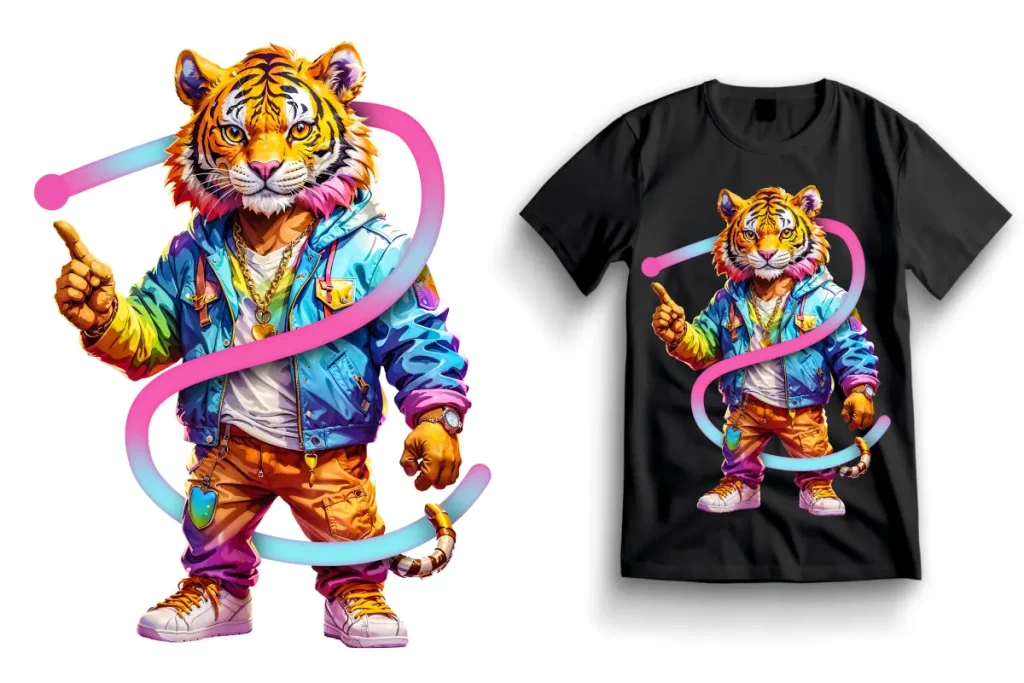
Stepping into a modern custom apparel printing studio during a busy production shift reveals a fast-paced environment where efficiency dictates profitability. For years, independent clothing lines, local sports teams, and commercial workshops struggled to balance high graphic complexity with low setup costs. Traditional methods required substantial upfront labor and extensive setup screens, making small-batch multi-color customization incredibly expensive. Fortunately, the recent expansion of high-fidelity dtf transfers has completely reorganized this sector. This advanced direct-to-film digital system allows creators to execute intricate artwork, photo-realistic color transitions, and crisp text lines on an endless variety of fabrics without minimum constraints or tedious labor setup bottlenecks.
Deconstructing the Multi-Layered Science of Modern Heat Transfers
Understanding why this modern customization method outperforms historical textile techniques requires examining the multi-layered material engineering that happens behind the scenes. Unlike older application procedures that apply liquid pigments directly onto porous fabric fibers, this system creates a self-contained graphic unit on a clear, stable carrier film. Every single consumable layer must work together to ensure clean release properties and exceptional adhesion.
The entire manufacturing sequence begins on a dimensionally stable polyester clear film sheet treated with a specialized matte release coating. Industrial digital printheads deposit primary cyan, magenta, yellow, and black textile pigments onto this treated film surface to construct the visual image. This color pass is followed by a heavy, solid layer of white ink backing that acts as an opaque background barrier on dark textiles. While the combined ink layers are wet, an automated shaker applies a fine layer of thermoplastic polyurethane adhesive powder across the printed areas. The film then travels through a calibrated infrared drying tunnel that cures the powder into a smooth texture similar to an orange peel, building a flexible bridge ready to form a permanent mechanical bond with fabric fibers during heat application.
How Direct-to-Film Inks Protect Shop Profit Margins
Every business owner managing a busy custom garment facility knows the frustration of turning away local clients because their order volume is too small or their brand logo features too many complex gradients. Traditional printing setups make small-batch custom apparel financially impractical due to the hours consumed during the mechanical separation and screen exposure phases. Shifting your operation toward a modern DTF system removes these production boundaries entirely, allowing your shop floor to remain highly agile and profitable.
- Complete Substrate Versatility: You are no longer restricted to light-colored polyester fabrics like old dye-sublimation methods required. These digital graphics bond perfectly to dark cotton, heavy ringspun fleece, performance polyesters, durable canvas bags, and even treated leather items.
- Elimination of Labor-Intensive Weeding: Traditional heat transfer vinyl requires mechanical cutting plotters and hours of tedious manual peeling to clear away unwanted background materials. Digital film graphics require zero weeding because the hot-melt powder only sticks to the printed ink zones.
- On-Demand Branding Freedom: Instead of pre-printing hundreds of completed shirts in assorted sizes and risking dead inventory, you can print and store flat graphic sheets. When a customer places a specific order, you can press the transfer onto a blank garment in less than twenty seconds.
By streamlining these traditional manufacturing obstacles, your custom brand can adapt instantly to fast-moving fashion trends, local school sports requests, and urgent corporate orders. Sourcing your prints from a specialized regional expert like Harwin DTF guarantees that your production team always works with stable materials designed to withstand intense commercial pressure.
The Operational Agility of Localized Supply Integration
When fulfillment schedules are incredibly tight and a key commercial client expands a corporate uniform order at the last minute, relying on cross-country shipping channels introduces unnecessary risk to your business. Unpredictable transit delays, severe weather disruptions, and moisture contamination during long-distance travel can quickly stall your heat presses and damage your local reputation. For this reason, savvy apparel decorators regularly search for high-quality dtf transfers near me to protect their production timelines and build an agile, local supply network.
Establishing a professional relationship with a regional printing facility nearby provides an immediate safety net for your daily operations. If an artwork file contains an unexpected background transparency issue or an incorrect color profile, a local production partner can identify the issue before running a massive commercial print batch. This tight feedback loop minimizes material waste, avoids expensive overnight shipping surcharges, and gives your business the agility to offer rapid turnaround times that distant online competitors simply cannot match. Harwin DTF proudly serves as this essential regional partner, offering fast turnarounds and consistent print quality to keep your business moving forward.
Achieving Commercial Durability Benchmarks in Texas
The booming commercial landscape across Texas demands apparel decorations that can handle heavy daily usage, intense heat, and rigorous laundering cycles. When local shop owners and corporate buyers search for the best dtf transfer at Houston, they look past simple price cuts and focus heavily on ink elasticity, wash stability, and color accuracy. True commercial quality means your prints maintain a smooth texture that integrates with the fabric weave rather than feeling like a rigid sheet of plastic glued to the chest.
Achieving this elite standard of finish requires strict environmental controls during the printing phase. Professional manufacturing facilities utilize heavy-duty commercial climate systems to control humidity levels, preventing static electricity from scattering excess adhesive powder onto the clear areas of the film. Furthermore, precise curing temperatures ensure that the hot-melt adhesive bonds deeply with the underlying inks, creating a uniform, reliable print that feels smooth against the skin and stays bright for years to come. Investing in a premium Houston dtf transfer partner ensures your finished garments look pristine and stand out in a competitive marketplace.
A Master Class in Commercial Heat Press Application
Even the absolute highest grade of digital film print will fail to reach its maximum durability if the final transfer process is executed poorly. Achieving an everlasting, retail-ready finish requires strict adherence to professional heat, time, and pressure parameters. Follow this comprehensive workflow to ensure consistent application success:
- Fabric Conditioning: Place your blank garment onto the lower platen of your heat press and lock it down for 4 to 6 seconds. This vital step expels hidden atmospheric moisture trapped within the fabric fibers and flattens out structural seams, preventing steam bubbles from disrupting the adhesive bond.
- Precise Sheet Alignment: Position your printed film onto the conditioned fabric with the colored ink side facing down. The transparent quality of the carrier film allows you to use laser alignment tools or physical rulers to verify absolute center placement effortlessly.
- Primary Heat Pressing: Set your commercial heat press to 300 to 315 degrees Fahrenheit for standard cotton fabrics, or drop the temperature to 275 to 285 degrees Fahrenheit for delicate polyesters to avoid fabric scorching. Apply consistent medium to high pressure around 50 to 60 PSI for a duration of 12 to 15 seconds.
- Controlled Film Separation: Carefully remove the garment from the press and lay it flat on a cooling table. Allow the substrate to cool completely to room temperature before peeling the film back in a low, smooth, continuous angle. Peeling the film while it is still warm can tear the edges of the ink before the adhesive sets.
- The Ultimate Soft-Hand Seal: Place a piece of high-grade silicone finishing paper or matte parchment paper directly over the exposed print graphic and clamp the heat press down for a final 5 to 7 seconds. This secondary press beds the cured ink deep into the fabric weave, removing any residual plastic shine and leaving a beautiful, matte, retail quality texture.
Frequently Asked Questions
Why is temperature accuracy so critical when pressing digital film graphics?
Every commercial fabric responds differently to thermal energy. Cotton fibers can handle higher temperatures easily, whereas synthetic polyester blends can experience severe color migration or fabric scorching if exposed to extreme heat. Utilizing an external digital pyrometer to verify your heat press platen actual temperature ensures a perfect adhesive melt without damaging the garment structure.
What is a production gang sheet and how does it lower unit costs?
A gang sheet is an efficient prepress strategy where multiple unique designs, size tags, and logo variations are arranged tightly across a single continuous layout on a wide film roll. By filling every available inch of printable space before running the commercial printer, you drastically minimize film waste and unlock the lowest wholesale material prices for your business.
How should unapplied digital transfers be stored to avoid damage?
Unapplied clear film sheets should be kept flat inside airtight plastic bags containing moisture-absorbing silica gel packets. Storing your graphics in a climate-controlled room away from direct sunlight prevents the hot-melt polyurethane powder from absorbing environmental humidity, keeping the adhesive perfectly stable for up to one full year.
Can these digital graphics handle placement over complex seams or pockets?
Yes, but special care must be taken during the clamping phase. When pressing designs across thick collar seams, pockets, or heavy zippers, use raised foam pressing pillows inside the garment. This raises the flat printing area above the hardware, ensuring the heated platen applies perfectly uniform downward pressure across the whole design.
Future-Proofing Your Custom Apparel Production
Scaling a modern custom apparel brand or increasing the daily output of a busy commercial print shop requires a steady foundation of reliable materials, predictable workflows, and fast fulfillment speeds. By adopting advanced digital transfer systems, your production team can eliminate time-consuming setups, minimize labor costs, and accept highly complex artwork requests with absolute confidence. Whether you are printing small runs of detailed streetwear or thousands of matching corporate polos, consistent material quality is what keeps your clients coming back. Partner with Harwin DTF today to optimize your daily production lines, achieve exceptional print durability, and unlock the full growth potential of your apparel business.
Anahtar Kelime: DTF
Kategori: DTF Transfers