
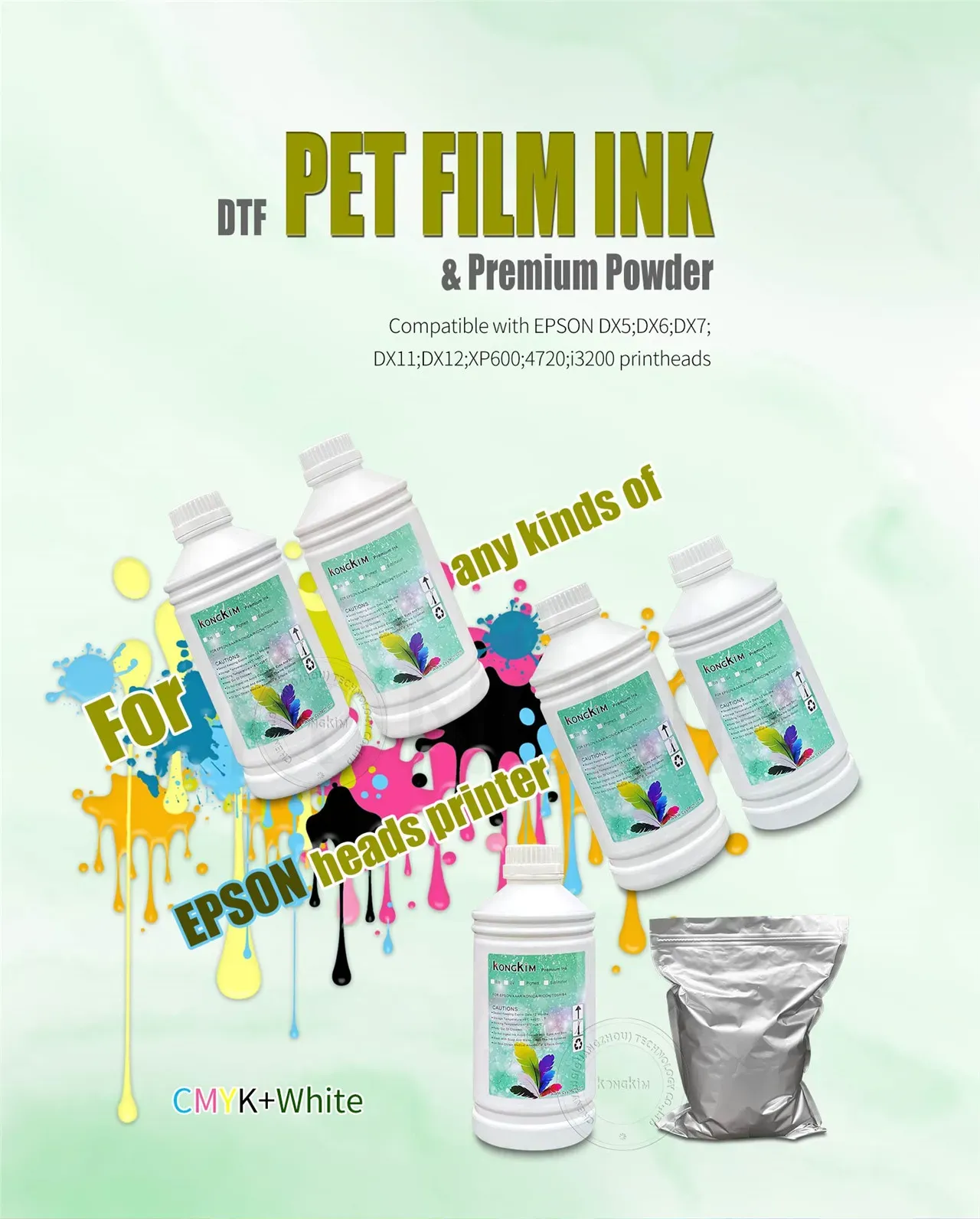
DTF inks and films form the backbone of modern Direct-to-Film printing, delivering vibrant color, durability, and flexibility across fabrics. In the DTF printing process, designers print on a PET release film to achieve sharp color with a reliable white underbase for dark fabrics. The DTF transfer film serves as the carrier, guiding the design from printer to garment and releasing cleanly after heat. A crucial step is the DTF powder adhesive, which locks the print to fabric when melted under a heat press. By comparing DTF vs DTG and exploring DTF film types, shops can choose the setup that balances cost, speed, and durability.
This approach relies on a film-based color transfer workflow that transfers detailed graphics onto apparel using heat and pressure. Instead of printing directly on fabric, pigment- or water-based inks are first laid down on a specialized release sheet, then bonded with a powder adhesive. The result is a durable image that maintains brightness on light and dark textiles, with careful curing and post-transfer care. Choosing the right combination of inks, release film, and adhesive powder ensures reliable adhesion and wash-fastness across fabric blends. Understanding the broader landscape of film-based transfer technology, including the interactions between inks, carriers, and heat, helps designers optimize outcomes.
Understanding DTF Inks and Films: Core Components and How They Interact
DTF inks and films are the backbone of modern Direct-to-Film printing, delivering vibrant color, durability, and flexible transfers across a wide range of fabrics. In this system, DTF inks (pigment-based or water-based) print onto a PET release film, while the film acts as a carrier that protects the design until heat and pressure release it onto fabric.
DTF film types vary in thickness, texture, and release behavior, and choosing the right film helps optimize ink holdout and bond strength. The compatibility between inks, the adhesive powder, and the film determines how cleanly a transfer releases and how well it resists cracking during washing.
DTF Printing Process: Step-by-Step Guide to Consistent Results
The DTF printing process begins with design and RIP preparation, then printing with DTF inks on the PET transfer film. A white underbase is often used for dark fabrics to improve opacity and color vibrancy, and printer calibration is critical for reliable results.
After printing, a uniform layer of DTF powder adhesive is applied and cured before transfer. By understanding how each step—powder application, curing, and heat transfer—affects bond quality, you can achieve repeatable results across fabrics and garment types.
Choosing the Right DTF Transfer Film: Types, Properties, and How to Match with Inks
Choosing the right DTF transfer film means balancing release properties, thickness, and surface finish to preserve fine details. A good film yields clean release, strong hold after transfer, and minimal residue on garments.
Match the film with your DTF inks and the powder adhesive to maximize color fidelity and adhesion. Consider film types and compatibility with your printer and powder system to keep results consistent across batches.
DTF Inks and Powder Adhesives: Achieving Durable, Washable Transfers
DTF inks are designed to pair with the transfer film and powder adhesive to deliver stable color, high coverage, and reliable curing behavior. Proper ink selection supports bold colors and smooth gradations on PET film while reducing bleed and dot gain.
The DTF powder adhesive forms a micro-thin bond during heat curing. Correct powder type and even distribution prevent cracking, peeling, and wash-related fade, making post-wash durability a primary concern for apparel applications.
DTF vs DTG: Pros, Cons, and When to Choose Each Method
DTF vs DTG compares two popular routes for customized apparel. DTF uses a transfer film, pigment inks, and an adhesive powder to bond designs to fabric, while DTG prints directly on garments with pretreatment and a white underbase.
Consider production goals, fabric types, and order volume when choosing. DTF often offers lower startup costs, faster color changes, and robust performance on dark fabrics, whereas DTG can deliver ultra-soft hand-feel on light fabrics with detailed photo realism when pretreatment is optimized.
Building a Reliable DTF Shop Workflow: From Starter Kit to Production
Getting started with a reliable DTF shop means assembling a practical starter kit that includes DTF inks and films, a heat press, and a suitable powder adhesive. A mix of transfer films with varying thickness and finishes helps you optimize for different fabrics and designs.
Develop a repeatable workflow with swatch libraries, calibration routines, and documented best practices for curing, transfer, and post-press care. Regular testing on multiple fabrics ensures color, opacity, and adhesion stay consistent as you scale production.
Frequently Asked Questions
What are DTF inks and films, and how do they work in the DTF printing process?
DTF inks are pigment-based or water-based inks printed on a PET release film as part of the DTF printing process. After printing, a uniform layer of adhesive powder is applied and cured, then the film is pressed onto fabric. The film acts as a carrier and release layer, while the adhesive powder creates a heat-activated bond. On light or dark fabrics, a white underbase may be used to improve opacity and color vibrancy.
How does the DTF transfer film influence color, opacity, and release when using DTF inks and films?
DTF transfer film options affect color fidelity, opacity, and how the image releases under heat. Key factors include release properties, film thickness, and surface finish (matte vs glossy). A compatible film also works with the powder adhesive to ensure even coverage and strong bonding, preserving fine details on both light and dark fabrics.
DTF vs DTG: which method is better for my shop when using DTF inks and films?
DTF inks and films use a transfer film, adhesive powder, and heat press, often with lower upfront cost and good performance on dark fabrics, making it ideal for high-mix, low-quantity runs. DTG prints directly on garments and may require pretreatment for certain fabrics and softer hand feel. Choose based on fabric range, required durability, and production workflow.
What is DTF powder adhesive and how does curing affect transfers?
DTF powder adhesive is a heat-activated layer that is applied to the damp ink on the transfer film to form the bond with fabric. Proper curing is essential: it fixes the adhesive with the printed image so it transfers cleanly. Inconsistent powder thickness or undercuring can cause poor adhesion, while over-application can create texture.
How should I choose the right DTF film types for different fabrics and designs?
DTF film types differ in release properties, thickness, surface finish, and compatibility with your inks and powder. For detailed artwork, thinner films can preserve sharpness; thicker films may improve durability on textured fabrics. Match film choice to fabric type, color (dark vs light), and your adhesive powder for reliable transfers.
What are common problems with DTF inks and films, and how can I troubleshoot?
Common issues include cracking or peeling, white cast, and color fading. Check curing temperatures and times, ensure powder is evenly applied and cured, and verify the transfer film releases cleanly. Also confirm printer maintenance, white underbase strength on dark fabrics, and appropriate heat-press settings for each fabric.
| Topic | Key Points |
|---|---|
| What Are DTF Inks and Films? |
|
| DTF Printing Process: Step-by-Step Overview |
|
| DTF Transfer Film: Types, Roles, and Selection |
|
| DTF Inks: What They Do and How They Print |
|
| DTF Powder Adhesive: How It Works and Why It Matters |
|
| DTF vs DTG: Choosing the Right Method for Your Shop |
|
| Choosing the Right Inks and Films for Your Shop |
|
| Common Pitfalls and Troubleshooting |
|
| Maintenance, Care, and Best Practices |
|
| Getting Started: A Practical Starter Kit Guide |
|
| Quick-Start Checklist for Beginners |
|
Summary
DTF inks and films offer a versatile pathway to vibrant, durable transfers across fabrics. In this descriptive overview, the roles of inks, films, adhesive powder, and heat-setting steps are clarified, helping you build a reliable workflow for apparel, accessories, and customized textiles. By choosing compatible inks and films, maintaining equipment, and following tested curing and transfer guidelines, you can achieve consistent, high-quality results that satisfy customers and support a growing DTF business.