
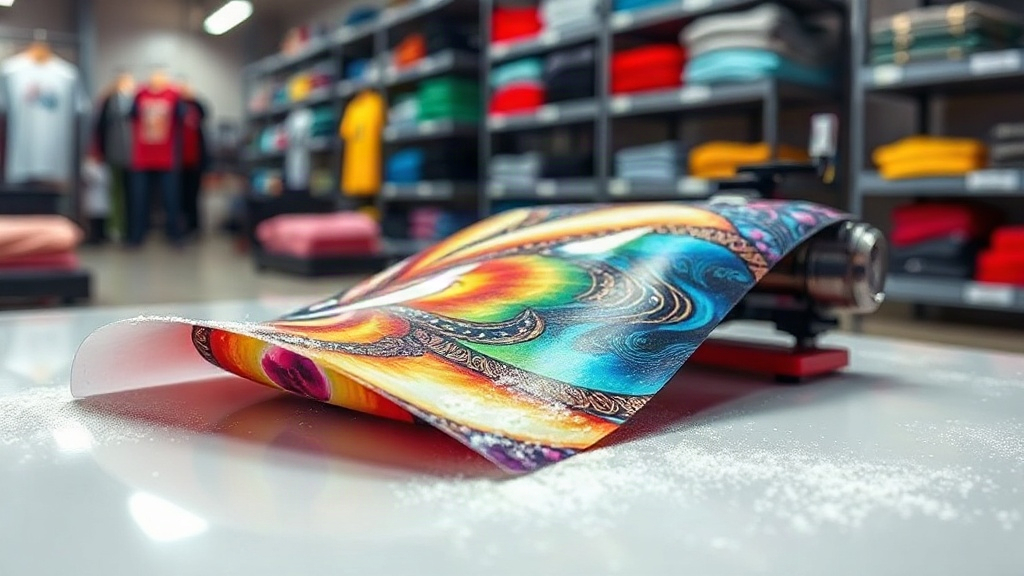
When you run a custom apparel business, every order depends on reliable printing. Searching for dtf transfers near me might seem straightforward, but not all local printers deliver the same quality. I learned this the hard way when a supposedly reputable shop sent me transfers that cracked after one wash. Since then, I have spent years researching and testing local DTF providers, and I want to share what truly matters.
In this guide, I will explain what DTF printing is, how to evaluate local printers, and what questions to ask before spending a dollar. You will also learn how to compare prices without sacrificing quality, what to expect in turnaround times, and how to avoid common pitfalls. By the end, you will be equipped to find a partner that helps your business grow.
Understanding DTF Transfers and Why They Matter
DTF stands for Direct to Film. It is a printing method where a design is printed onto a special film, coated with adhesive powder, and then heat pressed onto fabric. Unlike screen printing, DTF allows for vibrant, full-color prints with no minimum order quantities, making it ideal for small batches and intricate designs.
For apparel decorators, DTF transfers offer flexibility. You can order a handful of prints for a pre-order, test new designs, or fulfill last-minute orders without committing to bulk inventory. However, the quality of the transfer depends heavily on the printer's equipment, ink, and film. That is why choosing the right local provider is crucial.
What to Look for in a Local DTF Transfer Provider
When you search for dtf transfers near me, you will find many options. But how do you separate experts from amateurs? Start by evaluating their setup and process. A professional shop will use quality inks, such as water-based or solvent-based formulations, and high-resolution printers like Epson or Mutoh. They should also have a proper powder shaking machine and a heat press calibrated for curing.
Ask about their film type. Premium DTF films have a slight texture and adhere better to various fabrics, including cotton, polyester, and blends. Cheap films may look similar but often fail during washing or stretching. A trustworthy provider will happily discuss their materials and may even show you sample prints.
Another indicator is their sample policy. Most reputable printers offer low-cost or free samples. If someone refuses to provide a sample, that is a red flag. I always order a sample before placing a bulk order, even if it costs a few dollars. It saves me from wasting money on a large batch that might peel or crack.
Questions to Ask Before You Order
To ensure you get the best value, prepare a list of questions for potential providers. Here are the most important ones:
- What is your minimum order quantity? Many DTF shops have no minimum, but some do. Knowing this helps you plan.
- What file formats do you accept? High-resolution PNG with transparent backgrounds is standard, but some also accept AI or PSD. Clarify this upfront.
- What is your typical turnaround time? Local printers may offer same-day or 24-hour service, which is a huge advantage for last-minute orders.
- Do you provide color matching? If your brand colors are specific, ask if they can match Pantone codes.
- What is your pricing per square foot? This varies widely, so comparing quotes is essential. Just remember that the cheapest option is rarely the best.
- Do you offer a production proof? A visual mockup before printing can catch mistakes early.
Asking these questions not only helps you gauge their expertise but also builds a foundation for a long-term relationship.
Comparing Quality: What Makes a Good DTF Transfer?
Not all DTF prints are created equal. When you receive a sample, examine it closely. The print should have crisp details, vibrant colors, and no white edges. Bend the transfer and press it onto a scrap fabric. After washing, the print should remain flexible without cracking or peeling.
Pay attention to the adhesive layer. A well-made transfer has an even coating that melts smoothly during pressing. If you see powder clumps or thin spots, the transfer may not last. Also, check the film's release. Good film releases cleanly without leaving residue.
Another quality factor is the white underbase. DTF prints rely on a white layer to make colors pop on dark garments. Check if the white is opaque and not grayish. A professional printer will calibrate their printer to lay down a solid white base.
How to Find the Best Local DTF Printer
Start by searching online for dtf transfers near me and browsing reviews on Google or Yelp. Look for businesses that specialize in DTF rather than general print shops. Specialty providers often have better equipment and more experience.
Visit their website and look for a portfolio. Do they showcase a variety of designs, including complex ones with gradients or small text? If possible, visit their facility in person. Seeing their operation gives you confidence in their capabilities and hygiene standards.
Another strategy is to ask other local apparel businesses for recommendations. Join local entrepreneur groups or forums, and you will often get honest feedback about which printers deliver on time and maintain quality.
Pricing: What to Expect and How to Save
DTF transfer pricing typically ranges from $0.75 to $3 per square foot, depending on the design complexity and quantity. While price matters, do not let it be the sole factor. A slightly higher cost per transfer can save you money in the long run if it means fewer rejects and happier customers.
To save money, combine multiple designs into one print run. Many printers charge by the square foot, so maximizing the film area reduces waste. Also, order in bulk when you have stable designs. Most providers offer volume discounts, which can significantly lower your per-transfer cost.
Beware of hidden fees. Ask if there are setup charges, film costs, or shipping fees if you are not local. A transparent quote should include all expenses.
Turnaround Times: Why Local Matters
One of the biggest benefits of choosing a local provider is speed. When you search for dtf transfers near me, you often find shops that can deliver within 24 to 48 hours. This agility is invaluable for custom orders with tight deadlines, such as event merchandise or corporate gifts.
During peak seasons, like holidays, turnaround times may stretch. Ask about their current workload and whether they offer rush services. A reliable local printer will communicate clearly if they cannot meet your deadline, giving you time to find alternatives.
I remember a time when a customer needed 50 shirts for a conference the next day. My usual online supplier would have taken five days, but a local DTF shop printed the transfers overnight, and I pressed them in the morning. That kind of responsiveness is priceless.
Building a Long-Term Relationship with Your Local Printer
Once you discover a trustworthy local DTF provider, invest in that relationship. Regular orders help them prioritize your work. Also, give constructive feedback on their prints. If something is off, they will appreciate knowing and can adjust their process.
Consider ordering test prints for every new design, especially if you are using a new fabric or color. This minimizes surprises and maintains your own quality standards. Over time, you will develop a workflow that feels seamless, and you will wonder how you ever managed without a reliable partner.
Remember that the cheapest option is not always the most cost-effective. Factor in shipping time, potential reprints, and the impact of poor quality on your brand reputation. A local printer who understands your business is worth their weight in gold.
Common Mistakes to Avoid When Ordering DTF Transfers
Even experienced decorators make mistakes. Here are a few pitfalls to sidestep:
- Ignoring the substrate. DTF works best on cotton, but you can also use it on polyesters with lower press temperatures. Always test on a scrap piece of the actual fabric you plan to use.
- Overlooking the press settings. Your heat press must be set correctly for the DTF film. Typical settings are 300-320°F for 10-15 seconds with medium pressure. Ask your provider for recommendations.
- Skipping the pre-press. Pre-press the garment for a few seconds to remove moisture and wrinkles. This ensures better adhesion.
- Using too low or too high pressure. Low pressure leaves the adhesive uneven, while high pressure can crush the fabric. Use medium to firm pressure.
- Not using a Teflon sheet or parchment paper. This protects the transfer and your heat press from adhesive residue.
Avoiding these mistakes will save you time, money, and frustration.
Conclusion: Your Local DTF Partner Awaits
Finding high-quality dtf transfers near me does not have to be a gamble. With the right questions, a keen eye for quality, and a willingness to build relationships, you can secure a local printer that elevates your apparel business. Remember to prioritize quality over price, test samples, and maintain open communication.
Your customers expect vibrant, durable prints, and a dependable DTF partner makes that possible. Start your search today, and soon you will have a go-to provider for all your transfer needs.
Frequently Asked Questions
What does DTF stand for in printing?
DTF stands for Direct to Film. It is a process where a design is printed onto a special film, coated with adhesive, and then heat-transferred onto fabric using a heat press. This method is popular for custom apparel because it allows for vibrant, full-color prints with no minimum order quantities.
How much do DTF transfers typically cost?
The cost of DTF transfers usually ranges from $0.75 to $3 per square foot, depending on the design complexity, quantity, and the printer's pricing structure. Some printers charge a setup fee, but many do not. Ordering in bulk often reduces the price per square foot.
Can DTF transfers be applied to any fabric?
DTF transfers work best on cotton and cotton blends, but they can also be applied to polyester, nylon, and other synthetic fabrics with proper heat settings. For polyesters, use a lower temperature and a longer pressing time to avoid melting the fabric.
How long do DTF transfers last?
With proper application and care, DTF transfers can last for many washes. They are known for their durability and flexibility. To extend the life of the print, turn the garment inside out before washing, use cold water, and avoid using bleach.
What is the turnaround time for DTF transfers?
Local DTF printers often offer turnaround times between 24 and 72 hours, depending on their workload. Some may provide same-day service for an extra fee. If you are ordering online, expect 5 to 7 business days for production and shipping.