
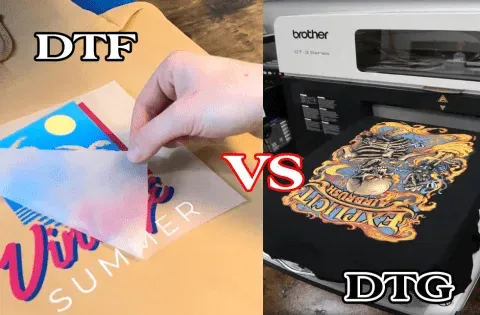
DTF vs DTG is a hot topic for anyone building a line of custom apparel, because the right choice affects product quality, production speed, and your bottom line. This comparison weighs how DTF printing works, its color performance, and explains where these methods shine for different fabrics, production goals, and practical workflows, helping brands plan for scale. It also highlights considerations like setup complexity, turnaround times, and how to evaluate results against your brand’s aesthetic and budget. If you’re weighing options, a quick pilot or sample run can reveal how each approach fits your timeline, margin, and customer expectations. By the end, you’ll have a clearer view of trade-offs and be ready to position your line to maximize impact.
From a broader perspective, many shops compare film-based transfers with in-fabric direct-to-garment solutions to understand color fidelity and fabric compatibility. Direct-to-film utilizes a printable film and adhesive powders, offering vibrant results across a range of fabrics, including darker tones. Direct-to-garment, by contrast, deposits ink directly onto the textile, delivering fine detail on cotton-heavy garments with a soft hand feel. Both paths influence finish, wash durability, and production cadence, so brands should align selection with their core fabrics and customer expectations. Running side-by-side trials on representative designs can illuminate edge clarity, color stability, and long-term performance, guiding the final decision.
DTF vs DTG: How Each Printing Method Works and Which Fabric It Suits
Direct-to-Film (DTF) printing is a multi-step process that starts with printing onto a special transfer film, applying a bonding powder, curing the film, and then transferring the image to fabric with heat and pressure. This approach creates a versatile design that adheres to a wide range of fabrics, including cotton blends and even some synthetics. Because the transfer film itself provides a strong base, DTF printing tends to produce vibrant colors and is particularly effective for complex graphics on dark fabrics—an important advantage in mixed-fabric catalogs.
By contrast, Direct-to-Garment (DTG) printing deposits water-based inks directly onto the textile using a specialized printer and often requires a white underbase to achieve true color on dark fabrics. This method excels at detailed, photo-like imagery and a soft hand feel on cotton and high-cotton blends. Understanding the DTG printing workflow alongside DTF printing gives you a clear picture of when each technique fits your design goals and production constraints, a core piece of the DTF vs DTG comparison.
Durability of Printing on Textiles: Longevity, Washability, and Care for DTF and DTG
Durability for DTF transfers is typically strong across a variety of fabrics when heat, pressure, and curing are properly executed. The bond between the film and fabric can withstand standard washing cycles, and color integrity often remains robust on dark and light garments alike. However, durability can vary with fabric weight and fiber content, so optimizing the transfer workflow and post-process care is essential for long-lasting results in your catalog.
DTG durability hinges on factors like fabric type, correct pretreatment, and careful curing. On cotton-rich fabrics, well-treated garments can endure many washes with color fidelity preserved when care guidelines are followed. The longevity of DTG prints may be more sensitive to harsh detergents or aggressive washing conditions, making education and clear care instructions a key part of your branding and customer satisfaction strategy.
Color Quality and Detail: Matching Artwork to Your Garments
DTF printing delivers deep, vivid colors with strong edge definition across diverse fabrics, including dark textiles. Its color vibrancy supports complex gradients and bold artwork, making it a viable option for dynamic product lines in the custom apparel printing methods space. The transfer layer can push a glossy finish that some brands prefer for high-impact graphics on poly blends and dark tees.
DTG printing shines when you need fine detail, subtle shading, and photoreal imagery on cotton-heavy garments. The soft hand feel on the fabric makes DTG an attractive choice for premium apparel, but achieving true color fidelity on darker fabrics requires careful color management, a white underbase, and precise curing. The result is crisp detail and smooth gradients that resonate with customers seeking photographic quality in their collections.
Cost and Throughput: Cost Comparison DTF DTG for Startups
DTF tends to offer a more favorable cost profile for small to medium runs, thanks to lower upfront equipment costs and flexible production across a wide fabric base. Per-piece costs can be competitive when orders vary in size, and the workflow can be streamlined with automation for film handling and transfer. For startups evaluating the cost of custom apparel printing methods, DTF often presents a lower barrier to entry while still delivering strong performance across fabrics.
DTG typically requires a higher initial investment for specialized printers, pretreatment equipment, and ongoing ink and maintenance costs. While this can raise the cost per piece, DTG may pay off for high-detail designs on cotton-heavy items and when run lengths are shorter or highly varied. A thoughtful cost comparison DTF DTG should weigh not only upfront and consumable costs but also throughput, setup time, and the anticipated mix of fabrics and designs.
Fabric Versatility and Care Across Custom Apparel Printing Methods
DTF’s fabric versatility stands out, with solid performance on polyester blends, dark textiles, and a broad spectrum of fibers. This makes DTF a compelling option for a catalog that includes mixed fabrics and color-intensive designs, aligning with the broader concept of custom apparel printing methods. Understanding care guidelines for DTF helps ensure color integrity and transfer durability over time.
DTG is most effective on cotton and natural blends, where pretreatment and curing deliver the best color accuracy and soft hand feel. While its fabric scope can be narrower, DTG remains a strong choice for premium, high-detail artwork on light backgrounds. Clear care instructions and fabric-specific guidelines help protect the print’s appearance as customers launder and wear the garments.
Choosing the Right Path for Your Brand: Practical Scenarios and Pilot Testing
For a small custom shop or on-demand business, DTG offers strong potential for diverse photographic designs on cotton with a premium hand feel, provided pretreatment and maintenance are managed efficiently. Meanwhile, a catalog with multi-fabric requirements, including dark garments, benefits from DTF’s versatility and durability across fabrics, aligning with the strategic goals of many brands in the custom apparel printing methods space.
A practical approach to decision-making is to pilot both methods. Run the same design on different substrates, then compare scrap rate, color fidelity, soft hand feel, wash durability, and customer response. This real-world testing—an application of the DTF vs DTG comparison—can guide not only product quality but also marketing messaging, pricing strategy, and the long-term fit of each method for your brand.
Frequently Asked Questions
DTF vs DTG: How do these custom apparel printing methods differ?
DTF vs DTG are two popular custom apparel printing methods with different workflows: DTF printing uses a film and bonding powder to transfer ink to a wide range of fabrics, including darks and blends, while DTG prints directly onto fabric using water-based inks and often requires pretreatment on cotton. DTF excels for versatility and bold color on many fabrics; DTG shines with fine detail on 100% cotton.
DTF vs DTG: Which offers greater durability of printing on textiles?
DTF printing generally provides robust durability across many fabrics when the transfer is applied with proper heat and pressure. DTG durability depends on fabric type and pretreatment; on cotton with correct curing, DTG prints can last a long time with proper care.
DTF vs DTG: What is the cost comparison for small runs?
For small-to-mid sized runs, DTF often has lower upfront costs and competitive per-piece pricing due to its flexible workflow and film-based process. DTG has higher initial investments (printer, pretreatment equipment) and ongoing ink and maintenance costs, but can be economical for high-detail designs on cotton when volumes are appropriate.
DTF printing vs DTG printing: Which fabrics are best suited for each?
DTF printing is versatile across polyester blends, dark fabrics, and mixed textiles. DTG printing is best on natural fibers—primarily 100% cotton or high-cotton blends—where inks bond well and color fidelity shines.
DTF vs DTG: How do production speed and throughput compare?
DTF can deliver faster turnarounds for larger batches when the transfer workflow is streamlined, due to film handling and transfer steps. DTG offers quick setup for multiple designs on light fabrics but can be slower for dark garments due to underbase, pretreatment, and curing requirements.
Which method offers better color saturation and detail on dark garments: DTF vs DTG?
DTF generally provides strong color saturation and edge definition on dark textiles across a wide fabric range. DTG delivers exceptional detail and smooth gradients on cotton with a soft hand, though color on dark fabrics requires careful pretreatment and curing to maintain fidelity.
| Aspect | DTF – Key Points | DTG – Key Points |
|---|---|---|
| How it works |
|
|
| Key advantages |
|
|
| Common trade-offs |
|
|
| Fabric & application scope |
|
|
| Color quality & detail |
|
|
| Durability, care & washability |
|
|
| Cost, setup & scalability |
|
|
| Production speed & throughput |
|
|
| Practical scenarios |
|
|
| Environmental considerations |
|
|
Summary
DTF vs DTG represents two robust paths for creating custom apparel. Understanding how each method works, weighing costs and throughput, and testing real-world performance helps you choose the approach that best fits your brand. If you prioritize fabric versatility, bold colors, and strong durability across a wide fabric range, DTF may be the practical choice. If your focus is high-detail photo-like artwork on cotton with a premium hand feel, DTG could be the better fit. Pilot both methods when possible to compare color fidelity, wash durability, hand feel, and total cost per piece, then align the decision with your catalog, production workflow, and customer expectations to optimize quality and profitability.