
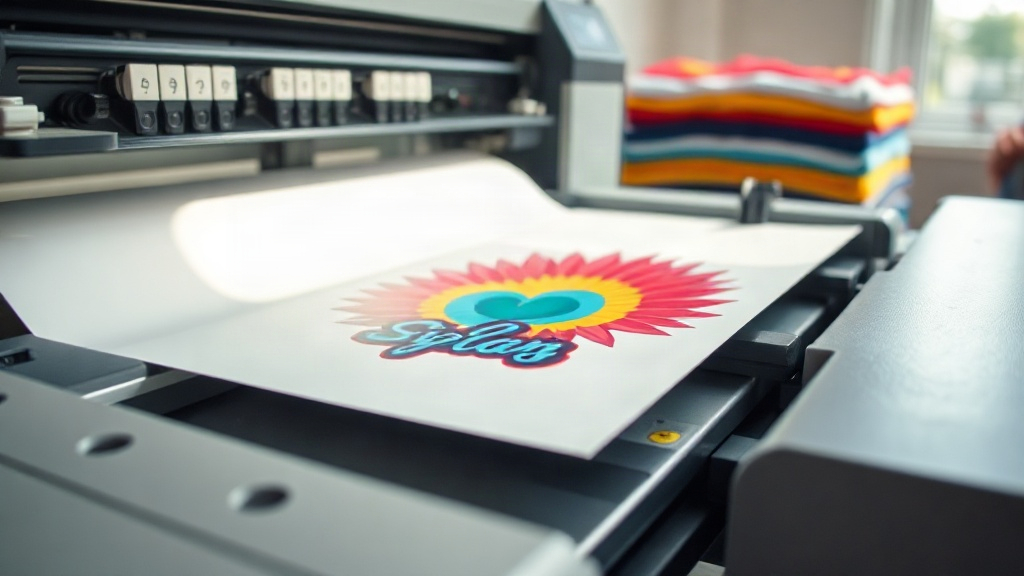
Custom apparel has never been more accessible, thanks to a printing technology that's taking the industry by storm: DTF printing. If you've ever admired a vividly printed t-shirt with intricate details and wondered how it was made, chances are it was created using DTF (Direct-to-Film) printing. Unlike traditional methods that require specific fabrics or complicated setups, DTF opens up a world of possibilities for creators, small businesses, and hobbyists alike. In this guide, we'll walk you through everything you need to know about DTF printing, from its mechanics to practical tips for getting started.
What is DTF Printing?
DTF stands for Direct-to-Film. It's a printing process where your design is first printed onto a special film, then coated with a powder adhesive, and finally heat-pressed onto the fabric. This two-step transfer method allows for vibrant, full-color prints on a wide range of materials, including cotton, polyester, blends, and even some non-fabric items like canvas bags and leather. The key difference from other methods like DTG (Direct-to-Garment) or sublimation is that DTF doesn't require pre-treatment of the garment, and it works on dark and light fabrics without the need for separate white underbase layers.
How Does DTF Printing Work?
The DTF process can be broken down into four main steps:
- Design Preparation: Your artwork is prepared digitally, ensuring it's in a high-resolution format (typically PNG with transparent background). The design is then printed in reverse onto a special PET film using a DTF printer equipped with pigment-based inks (CMYK plus white).
- Powder Application: While the ink is still wet, a thermoplastic powder adhesive is evenly applied over the printed film. The excess powder is shaken off, leaving a thin layer that will bond the ink to the fabric.
- Curing: The film with the powder is then heated (usually around 160°C/320°F) to melt the powder, creating a flexible, durable adhesive layer. This can be done with a heat press or a dedicated curing oven.
- Transfer: Finally, the film is placed onto the garment and heat-pressed again (typically at 150-160°C for 10-15 seconds). After pressing, the film is peeled off (hot or cold peel depending on the film type), leaving the vibrant design bonded to the fabric.
Why Choose DTF Printing?
DTF printing offers several advantages that make it a standout choice for custom apparel:
- Versatility: Works on almost any fabric, including cotton, polyester, nylon, and blends, as well as non-textile surfaces like wood, metal, and glass (with proper adhesion).
- No Pre-Treatment: Unlike DTG, DTF doesn't require pre-treating the garment, saving time and avoiding potential staining.
- Vibrant Colors: The white ink layer ensures bright, opaque colors even on dark garments, without the need for multiple passes.
- Durability: When applied correctly, DTF prints are stretchable, crack-resistant, and can withstand repeated washing.
- Cost-Effective for Small Runs: No minimum order quantities, making it ideal for one-off custom pieces or small batches.
DTF vs. Other Printing Methods
How does DTF stack up against other popular printing techniques?
DTF vs. DTG
DTG (Direct-to-Garment) prints directly onto the fabric and is best for 100% cotton. It requires pre-treatment, and printing on dark colors often involves a white underbase. DTF, on the other hand, transfers a pre-printed film, eliminating pre-treatment and working on virtually any fabric. DTF also tends to have a softer feel and better stretchability.
DTF vs. Sublimation
Sublimation requires polyester-coated surfaces and only works on light-colored fabrics (unless you use a white base). The ink becomes part of the fabric, resulting in no texture. DTF sits on top of the fabric, so it can be used on cotton and dark colors, but it has a slight hand feel. However, DTF prints are more durable than sublimation on cotton.
DTF vs. Screen Printing
Screen printing is cost-effective for large orders but requires separate screens for each color, making small runs expensive. DTF shines for small to medium runs with full-color designs, as there are no setup fees or color limitations.
Getting Started with DTF Printing
Ready to dive into DTF printing? Here's what you'll need:
- DTF Printer: A dedicated printer with DTF inks (CMYK + White). Epson conversions are popular, but there are also purpose-built DTF printers.
- DTF Film: PET film designed for DTF printing, available in sheets or rolls.
- DTF Powder: Thermoplastic adhesive powder (usually TPU-based).
- Heat Press: For curing the powder and transferring the design.
- Design Software: Any graphic design software (Photoshop, Illustrator, Canva) to create your artwork.
Start with a simple design and follow the steps outlined earlier. Practice makes perfect, so don't be discouraged if your first attempts aren't flawless. Join online communities and forums to learn from others' experiences.
Tips for Successful DTF Printing
- Use High-Quality Files: Ensure your design is at least 300 DPI and has a transparent background.
- Maintain Your Printer: Regular cleaning and maintenance prevent clogged nozzles and ensure consistent prints.
- Test Your Powder: Different powders have varying melting points; follow the manufacturer's recommendations.
- Press Settings: Experiment with pressure, temperature, and time to find the sweet spot for your materials.
- Wash Care: Wait 24 hours before washing, and turn the garment inside out. Avoid fabric softeners and bleach.
Frequently Asked Questions
What fabrics can I use with DTF printing?
DTF printing works on a wide range of fabrics, including cotton, polyester, nylon, rayon, and blends. It also adheres to non-fabric surfaces like canvas, denim, and leather, making it incredibly versatile.
How long does a DTF print last?
With proper application and care, DTF prints can last as long as the garment itself. They are resistant to cracking, peeling, and fading, even after multiple washes. Following wash care instructions is key to longevity.
Do I need a special printer for DTF?
Yes, you need a printer that uses DTF inks and is capable of printing white ink. Many people convert Epson printers for this purpose, but there are also dedicated DTF printers available on the market.
Is DTF printing cost-effective for small businesses?
Absolutely. DTF printing has low startup costs and no minimum order requirements, making it perfect for small businesses, side hustles, or personal projects. You can print one-off designs without breaking the bank.
Can I use DTF on dark garments?
Yes, DTF excels on dark garments because the white ink layer provides a bright base for colors. The prints remain vibrant and opaque without needing multiple layers.