
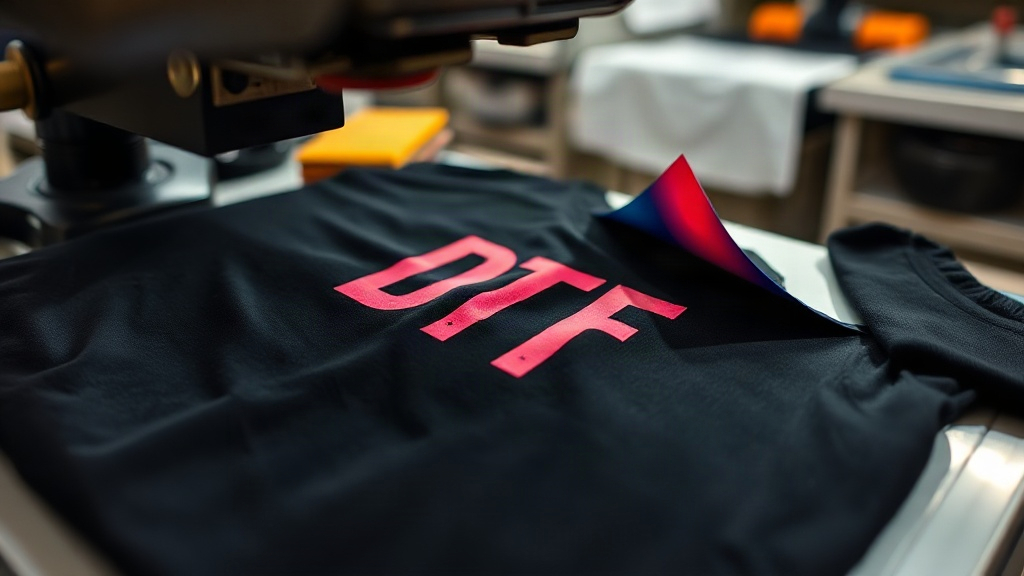
When you're creating custom apparel, the method you choose can make or break the final product. DTF transfers have emerged as a game-changer, offering vibrant colors, exceptional durability, and the ability to print on almost any fabric. Whether you're a small business owner, a hobbyist, or a professional printer, understanding DTF technology can elevate your creations. In this guide, we'll walk you through the entire DTF process, from design to finished garment, and share practical tips to help you achieve professional results every time.
What Are DTF Transfers?
DTF stands for Direct to Film. It's a printing method where your design is printed onto a special film, coated with a adhesive powder, and then heat-pressed onto the fabric. Unlike DTG (Direct to Garment) or screen printing, DTF transfers don't require pre-treatment or specialized inks for different materials. The process works by printing a mirror image of your design onto a PET film using pigmented inks. While the ink is still wet, a thermoplastic powder is applied, which acts as the adhesive. After curing, the transfer is ready to be applied with a heat press. This versatility means you can print on cotton, polyester, blends, and even nylon or leather, opening up a world of possibilities for custom apparel.
Why Choose DTF Transfers?
There are several compelling reasons to consider DTF for your next project:
- No color limitations: DTF printers use CMYK plus white ink, allowing for full-color designs with gradients, photographs, and fine details without the need for color separations.
- Fabric versatility: Works on almost any fabric, including dark and light colors, without the need for different inks or pre-treatment.
- Durability: When applied correctly, DTF transfers withstand repeated washing without cracking, peeling, or fading.
- Cost-effective for short runs: Unlike screen printing, there are no setup fees or minimum order quantities, making it ideal for one-off items or small batches.
- Stretchability: The transfer stretches with the fabric, making it suitable for athletic wear and stretchy materials.
The DTF Transfer Process Step by Step
To get the best results, follow these steps carefully. Each stage is crucial for a professional finish.
1. Design Preparation
Start with a high-resolution image (300 DPI is recommended). If your design has transparent backgrounds, ensure they are properly set. Remember that DTF prints a white underbase, so your design will appear opaque on any fabric. For best results, use a RIP software that is compatible with your DTF printer to manage color profiles and ink limits. Mirror the image horizontally before printing, as the transfer will be flipped when pressed.
2. Printing
Load the PET film into your DTF printer. The printer will lay down the CMYK inks followed by a white ink layer. The white ink is crucial for opacity, especially on dark garments. Some printers allow you to adjust the white ink density; a good starting point is 80-100% for dark fabrics and 50-70% for light fabrics. Print at the recommended temperature and humidity levels to avoid clogging and ensure proper ink adhesion.
3. Powder Application
While the ink is still wet, sprinkle the thermoplastic powder evenly over the printed area. You can use a shaker or a manual applicator. Gently tilt the film to remove excess powder, ensuring an even coating. The powder should stick only to the wet ink. Too much powder can lead to a rough texture, while too little can cause poor adhesion.
4. Curing
Place the film in a curing oven or under a heat source. The powder melts and forms a smooth, glossy layer. Curing typically takes 2-3 minutes at 160°C (320°F). Overcuring can make the transfer brittle, so follow your powder manufacturer's recommendations. Once cured, the transfer can be stored or used immediately.
5. Heat Press Application
Set your heat press to 160-170°C (320-340°F) with medium pressure. Pre-press the garment for a few seconds to remove moisture. Place the transfer on the fabric with the printed side down (the powder side touches the fabric). Press for 10-15 seconds. For best results, use a Teflon sheet or parchment paper over the transfer. After pressing, wait for the transfer to cool completely before peeling off the film. Peeling while hot can cause the design to stretch or distort.
Common DTF Mistakes and How to Avoid Them
Even experienced printers can run into issues. Here are some common pitfalls and their solutions:
- Insufficient pressure: If the transfer doesn't adhere properly, increase pressure. You should see the texture of the fabric through the transfer after pressing.
- Wrong temperature: Too low and the adhesive won't activate; too high and the film may melt or the ink may scorch. Always test with a temperature gun.
- Uneven powder: Shake off excess powder thoroughly. A thin, even layer is key.
- Peeling too soon: Wait until the transfer is cool to the touch. This prevents the design from stretching.
- Poor storage: Store unused transfers in a cool, dry place away from direct sunlight. Humidity can affect the powder.
DTF vs. Other Printing Methods
How does DTF stack up against vinyl, screen printing, and DTG?
- Vinyl: DTF offers more detail and no weeding, but vinyl can be more cost-effective for simple one-color designs.
- Screen Printing: DTF wins for short runs and complex designs; screen printing is better for large quantities of simple designs.
- DTG: DTF works on more fabrics and doesn't require pre-treatment, but DTG can be faster for 100% cotton.
Each method has its place, but DTF's versatility makes it a strong contender for any custom apparel business.
Tips for Long-Lasting DTF Prints
To ensure your DTF transfers stand the test of time, follow these care instructions:
- Wash inside out in cold water.
- Use mild detergent; avoid bleach and fabric softeners.
- Tumble dry on low or hang dry.
- Iron on the reverse side if needed; never iron directly on the print.
- Wait 24 hours after application before washing.
Frequently Asked Questions About DTF Transfers
Can I use DTF transfers on 100% polyester?
Yes, DTF transfers work great on polyester. In fact, they are often preferred over DTG for polyester because DTG requires pre-treatment and can have adhesion issues. Just ensure you use a lower temperature (around 150°C) to avoid dye migration, and consider using a low-migrate powder.
How do I prevent the transfer from peeling after washing?
Peeling usually happens due to insufficient pressure, incorrect temperature, or not waiting for the transfer to cool before peeling. Make sure you press with firm pressure for the full recommended time, and always allow the transfer to cool completely before removing the film. Also, washing inside out in cold water helps preserve the bond.
What is the shelf life of DTF transfers?
When stored properly in a cool, dry place away from direct sunlight, DTF transfers can last up to 6 months. Humidity can cause the powder to absorb moisture, leading to poor adhesion. If you live in a humid climate, consider storing them with silica gel packets.
Can I layer DTF transfers?
Yes, you can layer DTF transfers, but it requires a bit of technique. Press the first transfer for a few seconds, remove the film, then place the second transfer on top and press again. Use a Teflon sheet to protect the first layer. Keep in mind that layering can make the design thicker, so it's best for small accents.
Do I need a special printer for DTF?
You can convert a standard inkjet printer to use DTF inks, but it's better to use a dedicated DTF printer that is designed for the process. These printers have white ink channels and are built to handle the thicker pigmented inks. If you're just starting, you might consider outsourcing your DTF transfers to a professional service until you're ready to invest.
DTF transfers are a powerful tool for anyone in the custom apparel industry. With the right knowledge and a bit of practice, you can produce stunning, durable designs that impress your customers. Remember to source quality supplies and follow the best practices outlined here. Your garments will thank you.