
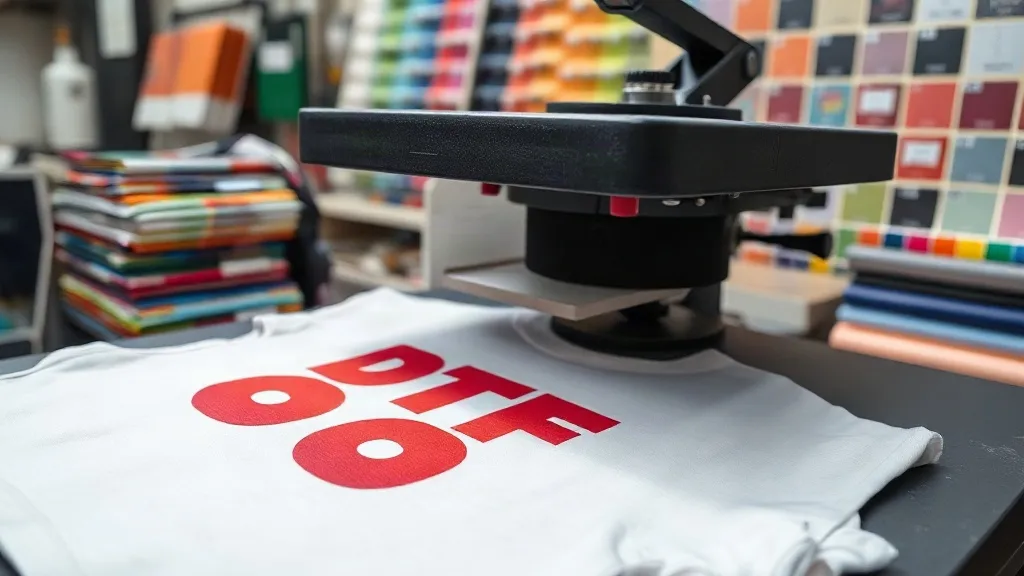
You've probably experienced this: a customer returns a shirt after three washes because the print is cracking, or you ruin a batch of polyester blend hoodies because the transfer didn't adhere properly. These frustrations often stem from two overlooked factors: fabric compatibility and durability testing. DTF transfers have revolutionized custom apparel by eliminating the need for pre-treatment and allowing full-color prints on almost any fabric. But that doesn't mean every fabric works the same way. In this guide, we'll dive into the nuances of fabric selection and show you how to ensure your prints withstand the test of time.
Why Fabric Choice Matters in DTF Printing
DTF (Direct-to-Film) printing involves printing a design onto a special film, applying a powder adhesive, and then heat-pressing the film onto the fabric. The adhesive bonds with the fibers, creating a durable, flexible print. However, the bond quality depends heavily on the fabric's composition, weave, and finish. Natural fibers like cotton and blends with high cotton content tend to accept the adhesive well, while synthetic fabrics like polyester require careful temperature control to avoid scorching or poor adhesion. Understanding these differences is key to producing consistent results.
Natural Fibers: Cotton, Canvas, and More
Cotton and cotton-poly blends are the most forgiving fabrics for DTF printing. The porous nature of cotton fibers allows the adhesive to penetrate and form a strong mechanical bond. When pressing on 100% cotton, you can use slightly higher temperatures (around 350°F to 375°F) and moderate pressure to ensure the film adheres evenly. Canvas, denim, and linen also work well, though their rougher texture may require a bit more pressure to push the adhesive into the weave. Keep in mind that dark fabrics may need a white ink layer for opacity, which DTF handles automatically.
Synthetics: Polyester, Nylon, and Blends
Polyester and nylon are common in sportswear and activewear, but they can be tricky. These fabrics are heat-sensitive and can shrink, scorch, or melt under high heat. For synthetics, lower the press temperature to around 300°F to 325°F and reduce pressure slightly. Pre-pressing the garment to remove moisture is crucial, as trapped moisture can cause the transfer to bubble or peel. Additionally, some polyester fabrics have a slick finish that resists adhesion; in such cases, a light pre-treatment or using a lower-temperature adhesive powder can help. Always test on a scrap piece before pressing the final product.
How to Apply DTF Transfers for Maximum Durability
Proper application is just as important as fabric selection. Here's a step-by-step breakdown to ensure your prints stay put wash after wash.
Step 1: Prepare the Fabric
Pre-press the garment for 5-10 seconds to remove wrinkles and moisture. This step is often skipped, but it's critical for a smooth, even bond. Set your heat press to the recommended temperature for the fabric (refer to the chart below).
Step 2: Position and Press
Place the transfer film on the fabric with the printed side facing up. Use medium to firm pressure (around 40-60 PSI) and press for 10-15 seconds. For larger designs, you may need to press in sections to avoid uneven pressure. Peel the film while it's still hot or cold, depending on the film type; most DTF films are hot-peel, but always check the manufacturer's instructions.
Step 3: Post-Press for Extra Durability
After peeling, cover the print with a Teflon sheet or parchment paper and press again for 5-10 seconds. This second press helps the adhesive fully cure and improves wash resistance. Avoid ironing directly over the print, as this can cause the adhesive to soften and stick to the iron.
Durability Testing: What to Expect and How to Improve It
Even with perfect application, prints can degrade over time. Understanding the factors that affect durability will help you set realistic expectations and troubleshoot issues.
Wash Testing at Home
Before selling, perform a wash test on a sample. Wash the garment inside out in cold water with mild detergent, then tumble dry low or hang dry. Repeat 5-10 times and inspect for cracking, fading, or peeling. If problems appear, adjust your pressing parameters or try a different fabric blend.
Common Durability Issues and Fixes
- Cracking: Usually caused by insufficient pressure or temperature. Increase pressure and ensure even coverage.
- Peeling: Often due to moisture in the fabric or inadequate post-press. Pre-press longer and add a second press.
- Fading: Can occur if the garment is washed in hot water or dried on high heat. Recommend cold wash and low tumble dry to customers.
Finding Reliable DTF Transfers Near You
If you're outsourcing your transfers, quality can vary widely. When searching for dtf transfers near me, look for suppliers who provide detailed instructions and fabric compatibility charts. A good supplier will also offer samples so you can test before committing to a large order. At dtfprintgo.com, we pride ourselves on providing high-quality transfers and support to help you succeed.
Frequently Asked Questions
Can I use DTF transfers on 100% polyester?
Yes, but you need to lower the temperature to around 300°F-325°F and use light pressure to avoid damaging the fabric. Pre-pressing is essential to remove moisture, and always test on a scrap first.
How many washes will DTF prints last?
With proper application and care, DTF prints can last 50+ washes. Washing inside out in cold water and avoiding high heat in the dryer will significantly extend the life of the print.
Do I need to pre-treat fabric before DTF printing?
No, DTF transfers do not require pre-treatment. However, pre-pressing the garment to remove wrinkles and moisture is recommended for best results.
What's the best way to store unused DTF transfers?
Store them in a cool, dry place away from direct sunlight. Keep them flat or rolled to avoid creasing, and use them within six months for optimal performance.