
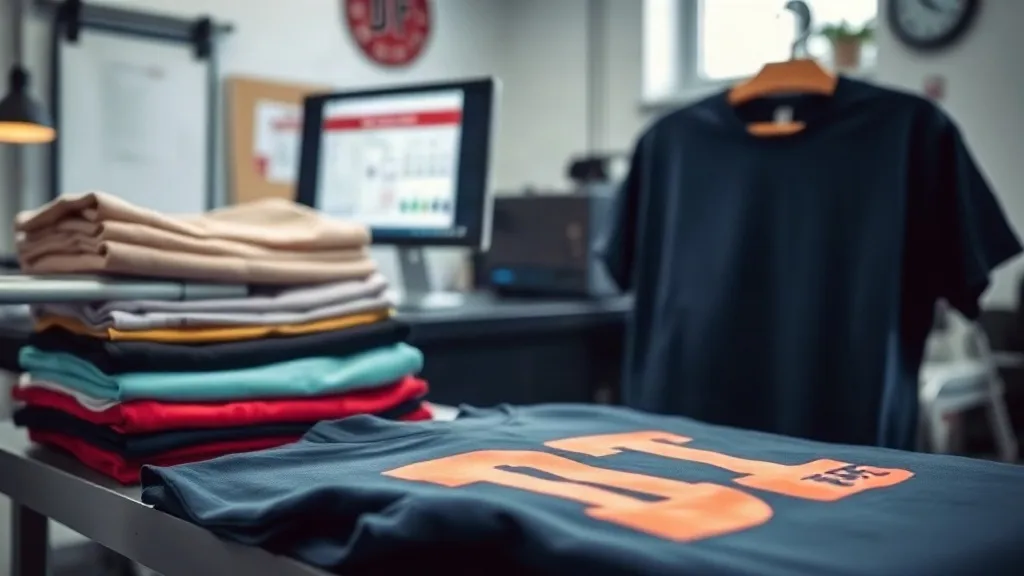
When you're running a print shop, the blank tee you choose can make or break the final product. shaka wear has become a go-to brand for many printers, thanks to its consistent quality and variety of styles. But with so many options, how do you pick the right one for DTF printing? This guide breaks down the key factors to consider, so you can match the perfect Shaka Wear tee to your next project.
Why Shaka Wear Is a Favorite Among DTF Printers
Shaka Wear has earned a solid reputation in the printing community for good reason. Their blanks are known for their durability, soft hand feel, and consistent sizing. For DTF printers, consistency is crucial: you need a tee that can withstand the heat press without shrinking or warping, and one that provides a smooth surface for the transfer to adhere to. Shaka Wear tees are made from high-quality cotton and cotton blends that hold up well under heat, making them a reliable choice for both small batches and large orders.
Another advantage is the range of styles. Whether you need a lightweight tee for summer events or a heavyweight option for streetwear, Shaka Wear likely has a blank that fits. This versatility means you can source all your blanks from one brand, simplifying your inventory management.
Key Factors for Matching Shaka Wear Tees to DTF Printing
Before you commit to a particular style, consider these factors to ensure your DTF transfers look great and last long.
Fabric Composition: Cotton vs. Blends
DTF printing works best on fabrics with a high cotton content. Cotton fibers provide a porous surface that allows the adhesive to bond effectively. Shaka Wear offers 100% cotton tees as well as cotton/poly blends. While 100% cotton is generally the safest bet for DTF, some blends can also work well if they contain at least 50% cotton. However, be cautious with high-polyester blends: the plastic in the transfer may not adhere as strongly, leading to premature peeling. For best results, stick to Shaka Wear's 100% cotton options like the Classic Cotton Tee or the Heavyweight Cotton Tee.
Fabric Weight: Lightweight vs. Heavyweight
Fabric weight affects both the look and the durability of the print. Lighter fabrics (around 4.5 oz) are comfortable and breathable, ideal for casual wear. However, they may not provide as much structure for intricate designs. Heavier fabrics (6 oz and up) offer a more substantial feel and can support larger, more detailed prints without the fabric stretching or distorting. Shaka Wear's heavyweight tees are particularly popular for streetwear and merch because they hold their shape and provide a premium canvas for DTF transfers.
Color and Texture: The Canvas for Your Print
The color of the tee can influence the vibrancy of your DTF print. White and light-colored tees allow colors to pop, while dark tees may require a white underbase for opacity. Shaka Wear's tees come in a wide range of colors, so you can choose the right backdrop for your design. Also consider the texture: smooth, combed cotton provides an even surface for the transfer, reducing the chance of uneven adhesion. Shaka Wear's combed cotton tees are excellent for detailed prints.
Fit and Style: Matching the Tee to the Design
The style of the tee should complement the design and the intended audience. Shaka Wear offers classic fits, oversized fits, and even tank tops. For a vintage or relaxed look, an oversized tee works well. For a more tailored appearance, a classic fit is better. Consider the drape and how the print will sit on the garment. Testing a few styles with your DTF transfers will help you determine which combinations yield the best results.
How to Test Shaka Wear Tees for DTF Compatibility
Before placing a large order, it's wise to run a small test with the tees you plan to use. Here's a simple process:
- Order a sample of each Shaka Wear style you're considering.
- Print a test DTF transfer using your usual settings.
- Press the transfer onto the tee following the recommended temperature and pressure.
- After cooling, check for adhesion, stretch the fabric gently, and wash the tee according to care instructions.
- Evaluate the print for cracking, peeling, or color fading.
This test will reveal how well the tee accepts the transfer and how it holds up over time. Keep notes on each style for future reference.
Maximizing Efficiency with DTF Gangsheets
Once you've selected your Shaka Wear tees, you'll want to streamline your printing process. Using a DTF Gangsheet Builder allows you to arrange multiple designs on a single sheet, saving time and reducing waste. With a gangsheet, you can print transfers for various sizes and colors in one go, then press them onto your Shaka Wear blanks as needed. This approach is especially useful for fulfilling large orders or offering a variety of designs without excessive setup.
When building your gangsheet, keep in mind the dimensions of your Shaka Wear tees' print areas. For example, a standard adult tee might have a print area of about 12x16 inches, while a youth tee is smaller. By planning your gangsheet accordingly, you can minimize leftover film and maximize your profit margin.
Common Mistakes to Avoid When Pairing Shaka Wear with DTF
Even experienced printers can run into issues. Here are a few pitfalls to watch out for:
- Ignoring fabric content: Using a high-polyester tee can lead to poor adhesion. Always check the label.
- Overlooking fabric weight: Lightweight tees may not support heavy or multi-layered transfers. Choose a heavier tee for complex designs.
- Skipping pre-press: Always pre-press the tee to remove moisture and wrinkles before applying the transfer.
- Using the wrong press settings: Follow the DTF transfer instructions for temperature, pressure, and time. Shaka Wear tees generally handle standard DTF settings well, but always test.
- Neglecting washing tests: A print that looks great initially might fail after a few washes. Always test durability.
Frequently Asked Questions
Can I use DTF printing on Shaka Wear's polyester blends?
While DTF can adhere to polyester blends, the durability may be lower compared to 100% cotton. For best results, choose Shaka Wear tees with a cotton content of at least 50%. If you must use a polyester blend, test a sample first and consider using a lower pressing temperature to avoid melting the synthetic fibers.
What is the ideal fabric weight for DTF printing on Shaka Wear tees?
There's no single ideal weight; it depends on your design and intended use. Heavier fabrics (6 oz and up) provide a more stable surface for detailed prints and are less likely to stretch during pressing. Lighter fabrics (4.5 oz) are fine for simple designs and casual wear. We recommend testing a few weights to see what works best for your typical orders.
How do I prevent the DTF transfer from peeling off Shaka Wear tees?
Proper preparation and pressing are key. Pre-press the tee to remove wrinkles and moisture. Use the correct temperature and pressure as recommended for your DTF transfers, and ensure the transfer cools completely before peeling the film. Also, wash the garment inside out in cold water and avoid fabric softeners to prolong print life.
Can I order custom gangsheets for my Shaka Wear projects?
Absolutely. Using a DTF Gangsheet Builder lets you combine multiple designs on one sheet, which is perfect for printing transfers for various Shaka Wear styles and sizes. This method saves time and reduces material waste, making it a smart choice for busy print shops.
Which Shaka Wear tee is best for oversized prints?
For oversized prints, choose a heavyweight tee with a tight knit to prevent distortion. Shaka Wear's Heavyweight Cotton Tee is an excellent option, as its substantial fabric can support large transfers without sagging. Also, consider the fit: an oversized tee may require a larger print area, so plan your gangsheet accordingly.