
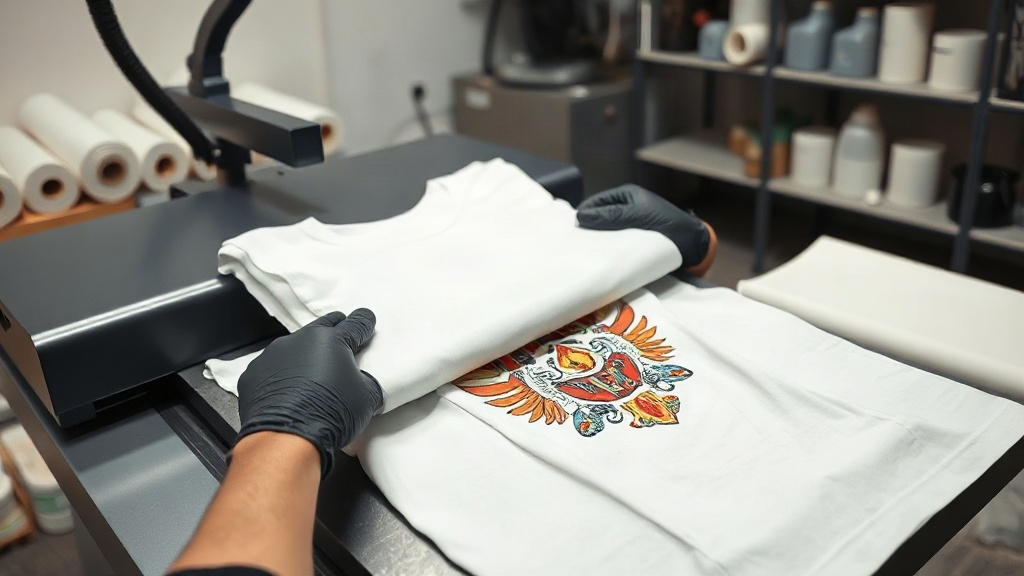
Custom apparel printing has evolved dramatically over the past decade, and one technology that has captured the attention of both hobbyists and professional print shops is DTF transfers. Unlike traditional screen printing or vinyl cutting, DTF (Direct to Film) transfers offer a versatile, cost-effective way to produce vibrant, full-color designs on a wide range of fabrics. But here's the catch: the quality of your final product depends just as much on the blank garment as it does on the transfer itself. In this guide, we'll walk you through the essentials of DTF printing, highlight why brands like Shaka Wear and Smart Blanks are worth considering, and share practical tips to help you achieve professional results every time.
What Are DTF Transfers and How Do They Work?
DTF transfers are a relatively new printing method that involves printing your design onto a special PET film using water-based inks, coating it with a hot-melt adhesive powder, and then transferring it onto a fabric using a heat press. The process is straightforward: you print, powder, cure, and press. The result is a soft, stretchable print that can handle intricate details, gradients, and even photographic images without the setup costs of screen printing.
One of the biggest advantages of DTF transfers is their compatibility with a wide range of materials. While other methods struggle with polyester, blends, and treated fabrics, DTF adheres well to cotton, poly, and everything in between. This makes it a go-to choice for customizing everything from performance wear to everyday tees. Plus, because the design is printed on film first, you can prepare transfers in advance and press them on demand, which is perfect for small businesses or on-demand fulfillment.
Why the Blank Garment Matters
Even the best DTF transfer can look lackluster on a poor-quality blank. The fabric's weave, weight, and finish all influence how the transfer adheres and how it feels after pressing. A flimsy, thin shirt might not provide enough surface for the adhesive to grip, leading to premature peeling or cracking. On the other hand, a high-quality blank with a tight weave and consistent surface ensures a smooth, durable bond.
When selecting blanks for DTF printing, consider these factors:
- Fabric content: 100% cotton is a classic choice, but cotton-poly blends and 100% polyester also work well. Just be mindful of heat sensitivity; polyester requires lower pressing temperatures to avoid scorching.
- Weight and thickness: Heavier fabrics (like 6 oz.) tend to hold up better over time and provide a premium feel.
- Color: DTF transfers include a white ink layer, so they show up well on both light and dark garments. However, on very dark colors, a slightly thicker white layer may be needed for opacity.
- Washability: Look for blanks that are pre-shrunk and have a tight knit to minimize shrinkage and distortion after washing.
This is where trusted blank manufacturers come into play. Two names that consistently come up in DTF circles are Shaka Wear and Smart Blanks. Let's take a closer look at each.
Shaka Wear: Streetwear Vibes with DTF-Friendly Construction
Shaka Wear has built a reputation for producing heavyweight, streetwear-inspired blanks that are a dream to print on. Their t-shirts, hoodies, and crewnecks are known for their boxy fits, durable cotton fabrics, and attention to detail. For DTF transfers, Shaka Wear blanks offer a smooth, consistent surface that allows the transfer to adhere evenly without bubbling or wrinkling.
Many printers appreciate Shaka Wear's consistent sizing and colorfastness. Their garments hold up well after multiple washes, which is crucial when you're selling custom apparel to customers who expect longevity. Whether you're printing a bold graphic or a subtle logo, Shaka Wear provides a reliable canvas that enhances the final look.
Smart Blanks: Affordable Quality for High-Volume Projects
If you're running a high-volume operation or just starting out, Smart Blanks offers an excellent balance of price and performance. These blanks are designed to be budget-friendly without sacrificing too much in terms of quality. They come in a wide range of colors and sizes, making them a versatile option for promotional products, team uniforms, and event merchandise.
For DTF printing, Smart Blanks garments typically feature a tight weave and a smooth finish that accepts transfers well. While they may not have the same heavyweight feel as premium brands, they are more than adequate for applications where cost is a primary concern. Many printers use Smart Blanks for samples and trials before moving to higher-end blanks for final production.
Choosing the Right DTF Transfer Supplies
Beyond the blank, the quality of your DTF supplies plays a huge role in the outcome. Here are key components to consider:
- DTF film: Look for double-sided matte film that is designed for your printer. Cheap films can cause ink bleeding or poor powder adhesion.
- DTF ink: Use high-quality water-based pigment inks formulated for DTF. Inconsistent inks can clog printheads and produce dull colors.
- Adhesive powder: The powder determines how well the transfer bonds to the fabric. Fine, uniform powder yields a softer feel and stronger bond.
- Heat press: A reliable heat press with accurate temperature and pressure control is essential. Uneven pressure can lead to cold spots and premature peeling.
Step-by-Step DTF Transfer Process
To ensure consistent results, follow these steps:
- Prepare your design: Mirror your image before printing. DTF transfers are pressed face-down, so the design must be flipped horizontally.
- Print on film: Load the DTF film into your printer and print using the appropriate settings (usually photo quality).
- Apply powder: While the ink is still wet, sprinkle the adhesive powder evenly over the print. Shake off excess.
- Cure: Place the film in a curing oven or under a heat press for the recommended time (typically 2-3 minutes at 160°C/320°F).
- Press onto garment: Preheat your heat press to 150-160°C (300-320°F). Place the transfer face-down on the garment and press for 10-15 seconds with medium pressure.
- Peel: Wait a few seconds for the transfer to cool slightly, then peel off the film. For a matte finish, peel while hot; for a glossy finish, peel after cooling.
Common Pitfalls and How to Avoid Them
Even experienced printers run into issues. Here are some common problems and solutions:
- Transfer peeling after washing: This usually indicates insufficient pressure or incorrect powder application. Increase pressure and ensure full powder coverage.
- Dull colors: Check your ink quality and curing time. Under-cured ink can look faded.
- Cracking: Cracking often occurs when the transfer is stretched too much during pressing or if the garment is too stretchy. Use a lower stretch fabric or adjust your design.
Frequently Asked Questions
What is the difference between DTF and DTG printing?
DTF (Direct to Film) involves printing on a film and transferring to the garment, while DTG (Direct to Garment) prints directly onto the fabric. DTF works on more fabric types and often produces more durable prints on polyester, whereas DTG is primarily for cotton and requires pre-treatment.
Can I use DTF transfers on dark shirts?
Yes, DTF transfers include a white ink base, so they show up well on dark fabrics. However, you may need to adjust your design's opacity or use a thicker white layer for vibrant colors on black or navy.
How long do DTF prints last?
With proper application and care, DTF prints can last as long as the garment itself. Wash inside out in cold water and avoid ironing directly on the print to maximize longevity.
Do I need a special printer for DTF?
You can convert many inkjet printers to DTF use with DTF ink and film, but for best results, a dedicated DTF printer with a white ink channel is recommended. Alternatively, you can outsource your DTF transfers to a professional service.
Which blanks work best with DTF transfers?
Blanks from Shaka Wear and Smart Blanks are excellent choices due to their consistent fabric quality and smooth surfaces. Cotton and cotton-poly blends are generally the easiest to work with.
Final Thoughts
DTF transfers have opened up new possibilities for custom apparel, offering flexibility, durability, and vibrant colors. By pairing high-quality transfers with reliable blanks like those from Shaka Wear and Smart Blanks, you can produce professional-grade garments that impress your customers. Remember to source quality supplies, follow the process carefully, and always test on a sample before full production. With practice, DTF printing can become a profitable and creative addition to your business.