
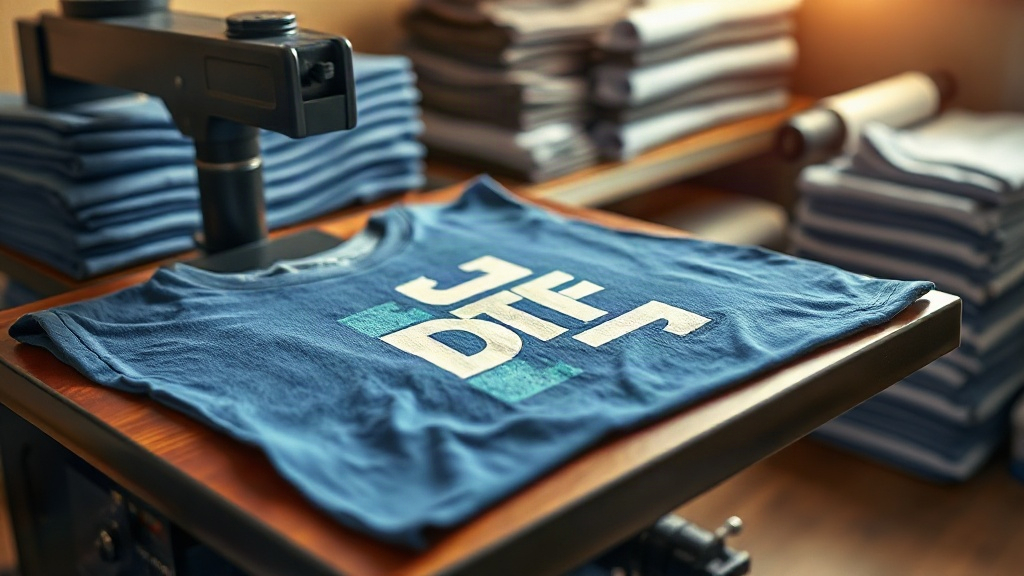
If you've ever pulled a heat press open only to find a cracked, faded, or oddly textured print, you know the frustration. The culprit is often not your DTF transfers or your press settings, but the garment itself. That's where smart blanks come in. These specially engineered fabrics are designed to work seamlessly with DTF (direct-to-film) printing, giving you vibrant colors and sharp details that survive wash after wash. In this guide, we'll explore why smart blanks matter, how Shaka Wear fits into the equation, and how to choose the right blank for your next project.
What Are Smart Blanks and Why Do They Matter for DTF?
Smart blanks are garments made from fabrics that have been optimized for digital printing. Unlike standard tees that may have inconsistent weave, heavy sizing, or water-repellent finishes, smart blanks offer a smooth, even surface that accepts DTF transfers with remarkable consistency. The result? Prints that look like they were screen-printed, but with the flexibility of digital production.
The magic lies in the fabric composition and finishing. Many smart blanks use a high cotton content or a cotton-poly blend that has been pre-shrunk and calendered to create a flat, lint-free surface. This minimizes the chance of the transfer peeling or cracking because the adhesive can bond evenly across the entire design. Additionally, smart blanks often have a tighter knit, which prevents the print from sinking into the fabric and losing detail.
Key Characteristics of Smart Blanks
- Consistent weave: No slubs or thick spots that cause uneven transfer adhesion.
- Low shrinkage: Pre-shrunk fabrics mean your print won't distort after the first wash.
- Minimal sizing: Excess chemicals can interfere with the adhesive, so smart blanks are often scoured and prepared for printing.
- Colorfast dyes: Vibrant, bleed-resistant colors that won't migrate into the transfer.
When you combine these properties with high-quality DTF transfers, you get a finished product that rivals traditional decoration methods in both look and longevity.
Shaka Wear: A Standout Choice for DTF Printing
Among the many blank brands available, Shaka Wear has earned a loyal following among printers who demand reliability. Known for their heavyweight cotton tees and consistent quality, Shaka Wear garments are a favorite for DTF because they tick all the boxes: tight knit, smooth surface, and excellent color retention.
Take the Shaka Wear Max Heavyweight tee, for example. It's made from 100% cotton with a fabric weight of around 6.0 oz, giving it a substantial feel that customers associate with premium quality. The tight weave means DTF transfers sit beautifully on the surface, and the fabric's minimal shrinkage ensures that the print stays true to size. Many printers report that Shaka Wear tees require less pressure and lower temperatures than other brands, thanks to their consistent construction.
But it's not just about tees. Shaka Wear also offers hoodies, tank tops, and longsleeves that share the same print-friendly characteristics. If you're building a brand around DTF, standardizing on Shaka Wear can simplify your production and reduce variables that lead to misprints.
Why Shaka Wear Works Well with DTF
- Heavyweight cotton: Provides a solid foundation for the transfer.
- Tight knit: Prevents the print from looking textured or grainy.
- Pre-shrunk: Reduces movement during the wash cycle.
- Wide color range: Allows for creative designs without color bleeding.
How to Get the Best Results with Smart Blanks and DTF Transfers
Even with the best materials, technique matters. Here are some practical tips to ensure your DTF transfers adhere perfectly to your smart blanks.
1. Pre-Press to Remove Moisture
Fabric holds moisture from the air, which can turn to steam during pressing and cause adhesion failures. Always pre-press your garment for 5-10 seconds at the recommended temperature (usually around 300-320°F) before applying the transfer. This step is especially important for Shaka Wear heavyweights, which can retain more moisture due to their density.
2. Use the Right Pressure
Medium pressure is usually sufficient for smart blanks. Too much pressure can cause the adhesive to squeeze out from under the design, leading to a messy edge and potential cracking. Too little pressure and the transfer won't bond. Experiment with your press to find the sweet spot. A good rule of thumb: if you can see the fabric texture through the transfer after pressing, you're using too much pressure.
3. Peel with Care
Most DTF transfers are cold-peel or warm-peel. Follow the instructions from your transfer supplier. For cold-peel, let the transfer cool completely before peeling; for warm-peel, remove it while it's still warm but not hot. Peeling too early can cause the design to lift, while peeling too late can make it tear.
4. Post-Press for Durability
After peeling, cover the design with a Teflon sheet or parchment paper and press again for 5-10 seconds. This second press helps the adhesive fully cure and improves wash durability. It's a step many printers skip, but it can make the difference between a print that lasts 10 washes and one that lasts 50.
Common Mistakes to Avoid with Smart Blanks and DTF
Even experienced printers can slip up. Here are pitfalls to watch for.
Using Fabric Softener or Dryer Sheets
These products leave a coating on the fabric that repels the adhesive. If you're printing on Shaka Wear or any smart blank, ensure they haven't been treated with softeners. If you must wash them beforehand, use a mild detergent without softener.
Ignoring Fabric Composition
Not all smart blanks are equal. A 100% polyester garment may require different press settings than a cotton-poly blend. Always check the label and adjust your process accordingly. Shaka Wear tees are typically 100% cotton, which is forgiving, but blends can be trickier.
Overstretching the Garment
When loading the shirt onto the press, don't pull it tight. Overstretching can distort the weave and cause the transfer to misalign or wrinkle. Lay it flat and smooth it with your hands.
Why Smart Blanks and DTF Are a Winning Combination for Your Business
For print shops and apparel brands, the combination of smart blanks and DTF transfers offers a competitive edge. You can produce small batches, personalized items, and complex designs without the setup costs of screen printing. And because smart blanks like Shaka Wear provide a premium feel, you can charge more for your finished products.
Moreover, DTF is versatile. It works on cotton, poly, and blends, so you can offer a wide range of garments. But by standardizing on smart blanks, you reduce the risk of returns and unhappy customers. The consistency of Shaka Wear means your prints look the same every time, which builds trust with your clientele.
Frequently Asked Questions
What exactly are smart blanks?
Smart blanks are garments specifically designed for digital printing. They have a smooth, consistent surface, minimal sizing, and low shrinkage, which allows DTF transfers to adhere evenly and last longer.
Can I use Shaka Wear tees for DTF printing?
Absolutely. Shaka Wear tees are a popular choice for DTF because of their heavyweight cotton, tight knit, and pre-shrunk fabric. They provide an excellent surface for vibrant, durable prints.
How do I prevent DTF transfers from cracking on smart blanks?
Use proper pressing technique: pre-press the garment, apply medium pressure, peel at the correct temperature, and post-press for durability. Also, avoid fabric softeners and overstretching.
Are smart blanks more expensive than regular blanks?
Smart blanks may cost slightly more, but the reduced misprint rate and higher customer satisfaction often offset the difference. Plus, you can command higher prices for the premium quality.
What's the best temperature for pressing DTF transfers on Shaka Wear?
Most DTF transfers require 300-320°F. For Shaka Wear heavyweights, start at 310°F and adjust based on your press and transfer instructions. Always do a test press.