
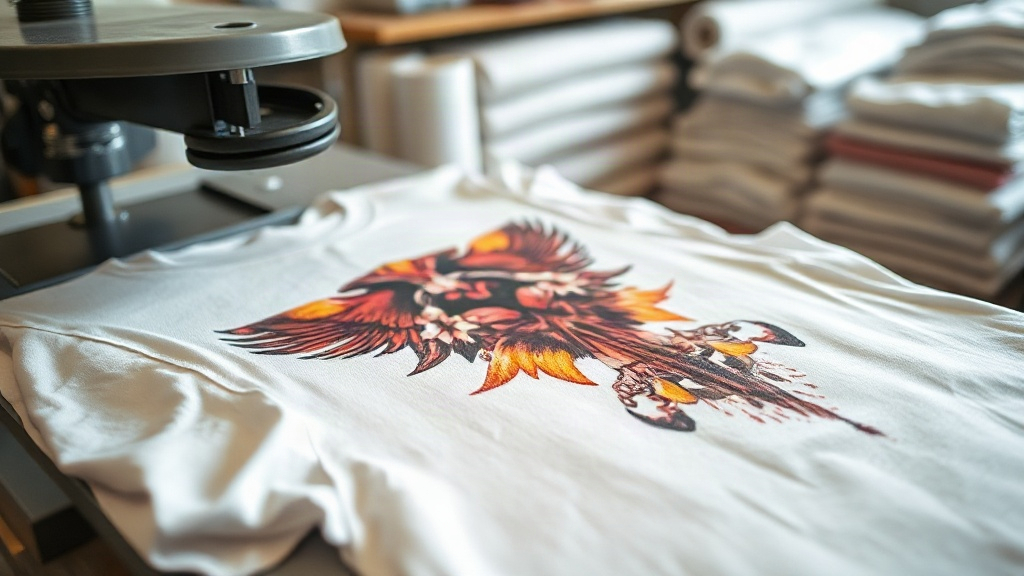
If you have ever pulled a heat press open only to find a dull, cracked, or uneven DTF transfer, you know the frustration. The culprit is often not the transfer itself but the blank it sits on. Choosing the right garment is half the battle, and that is where smart blanks come in. These are not just any t-shirts; they are carefully engineered fabrics that work in harmony with DTF transfers to produce results that look professionally screen-printed but with the flexibility of digital printing. In this article, we will explore why smart blanks matter, how brands like Shaka Wear fit into the picture, and how you can consistently achieve retail-quality prints.
What Are Smart Blanks and Why Do They Matter?
Smart blanks are garments specifically designed to optimize the heat transfer process. They typically feature a tight, smooth weave, minimal sizing, and a consistent surface that allows the transfer to adhere evenly. Unlike standard blanks that may have loose threads or uneven dye lots, smart blanks are manufactured with decoration in mind. They reduce the risk of common issues like ghosting, incomplete transfer, or premature fading. When you use smart blanks, you are not just buying a t-shirt; you are investing in a reliable canvas for your artwork.
The difference becomes obvious the moment you press a transfer. On a regular blank, you might see the fabric texture telegraphing through the print, or the edges of the transfer not fully sealing. On a smart blank, the print sits flush and vibrant. This is because these blanks often have a higher thread count and are pre-shrunk, which means less movement during pressing. For anyone serious about DTF transfers, smart blanks are not a luxury; they are a necessity.
Shaka Wear: A Prime Example of Smart Blanks
When discussing smart blanks, Shaka Wear deserves a special mention. Known for their heavyweight cotton and consistent quality, Shaka Wear tees have become a favorite among DTF printers. Their fabric is tightly knit, which provides an ideal surface for DTF transfers. The smoothness of the weave means the transfer can bond uniformly, resulting in a soft hand feel and excellent durability.
What sets Shaka Wear apart is their attention to detail. Their blanks are often ring-spun, which creates a smoother surface and reduces the chance of stray fibers interfering with the transfer. Additionally, Shaka Wear offers a variety of styles, from classic crew necks to hoodies, all maintaining the same high standards. If you are looking to elevate your DTF game, starting with Shaka Wear as your blank of choice is a smart move.
Why Shaka Wear Works So Well with DTF Transfers
Not all blanks are created equal, and Shaka Wear proves this point. Their garments are designed to withstand the heat of a press without scorching or shrinking excessively. The cotton is combed to remove impurities, resulting in a cleaner surface for the transfer to adhere to. Moreover, Shaka Wear blanks hold their shape wash after wash, which means your DTF transfers will not crack or peel due to fabric distortion. This combination of durability and printability makes Shaka Wear a top choice for professionals and hobbyists alike.
Choosing the Right Blank for DTF Transfers
While Shaka Wear is an excellent option, there are other factors to consider when selecting smart blanks for your DTF transfers. Here is a quick checklist:
- Fabric Content: 100% cotton or high-cotton blends work best. Polyester can be used, but requires lower pressing temperatures to avoid dye migration.
- Weave and Texture: Look for tight, smooth weaves. Avoid heavy textures like slub or pique, as they can interfere with transfer adhesion.
- Color: Light colors are more forgiving, but with the right transfer, dark colors work too. Just ensure your transfer has a white underbase if needed.
- Pre-treatment: Some blanks come pre-shrunk and pre-treated. These are ideal as they reduce variables during pressing.
Remember, the goal is to minimize surprises. Smart blanks are consistent, so you can dial in your press settings and replicate success every time.
Step-by-Step Guide to Applying DTF Transfers on Smart Blanks
Even with the best smart blanks, technique matters. Follow these steps for flawless results:
- Pre-press the garment: This removes moisture and wrinkles. Press for 5-10 seconds at 300°F (150°C).
- Position the transfer: Place your DTF transfer face down on the garment. Use heat tape if needed to secure it.
- Press: Set your heat press to 300-325°F (150-160°C) with medium pressure. Press for 10-15 seconds.
- Peel: Wait a few seconds for the transfer to cool slightly, then peel the film off in a smooth, consistent motion. If using a cold peel, wait until completely cool.
- Post-press: For added durability, cover the transfer with parchment paper and press for another 5-10 seconds.
These steps work on any smart blank, but always test with your specific combination of transfer and fabric.
Common Mistakes to Avoid with DTF Transfers
Even seasoned printers make mistakes. Here are pitfalls to watch out for:
- Insufficient pressure: This leads to poor adhesion and washout. Make sure your press is calibrated.
- Wrong temperature: Too hot and the transfer may scorch; too cold and it will not adhere. Always follow the transfer manufacturer's recommendations.
- Ignoring fabric type: Not all smart blanks are the same. A blank that works for one transfer may not work for another. Always test.
- Skipping pre-press: Moisture is the enemy of DTF. Pre-pressing is non-negotiable.
By avoiding these mistakes and using quality smart blanks like Shaka Wear, you will see a dramatic improvement in your output.
Frequently Asked Questions
What makes smart blanks different from regular blanks?
Smart blanks are designed specifically for decoration. They have a tighter weave, are often pre-shrunk, and have a smoother surface, which allows DTF transfers to adhere more evenly and look more vibrant. Regular blanks may have inconsistencies that lead to poor transfer results.
Can I use Shaka Wear blanks for DTF transfers?
Absolutely. Shaka Wear blanks are excellent for DTF transfers because of their high-quality cotton and tight knit. They provide a smooth, durable surface that holds the transfer well and withstands repeated washing.
How do I prevent DTF transfers from cracking on smart blanks?
To prevent cracking, ensure you are using the correct temperature and pressure, and always pre-press the garment. Also, choose smart blanks that are known for their smoothness, like Shaka Wear. Post-pressing after application can also help seal the transfer and improve durability.
What is the best temperature for DTF transfers on smart blanks?
The ideal temperature range is typically 300-325°F (150-160°C). However, always check the transfer supplier's instructions, as different films may require slight adjustments. Using a heat gun or infrared thermometer to verify the actual platen temperature is a good practice.
Do I need to pre-treat smart blanks before DTF transfer?
Most smart blanks do not require pre-treatment beyond pre-pressing to remove moisture. However, if you are using a blank with a stain-resistant finish, you may need to pre-treat it to ensure proper adhesion. Always test a small area first.